
This was my third time participating in the summer camp at Sanguang Elementary School. On the first day, our main task was to help set up the venue and reacquaint ourselves with the camp environment. It had been six months since my last visit, and walking back onto campus brought back a mixture of familiarity and nostalgia. What touched me most was hearing so many children excitedly shout, “Panda Brother!” the moment I arrived. It was an incredibly heartwarming moment. I realized that it wasn’t just me who remembered them—they had remembered me as well. Perhaps that is exactly why I keep coming back to Sanguang Elementary School. By my third visit, this place had become more than just a camp venue; it had become somewhere I genuinely missed and looked forward to returning to.
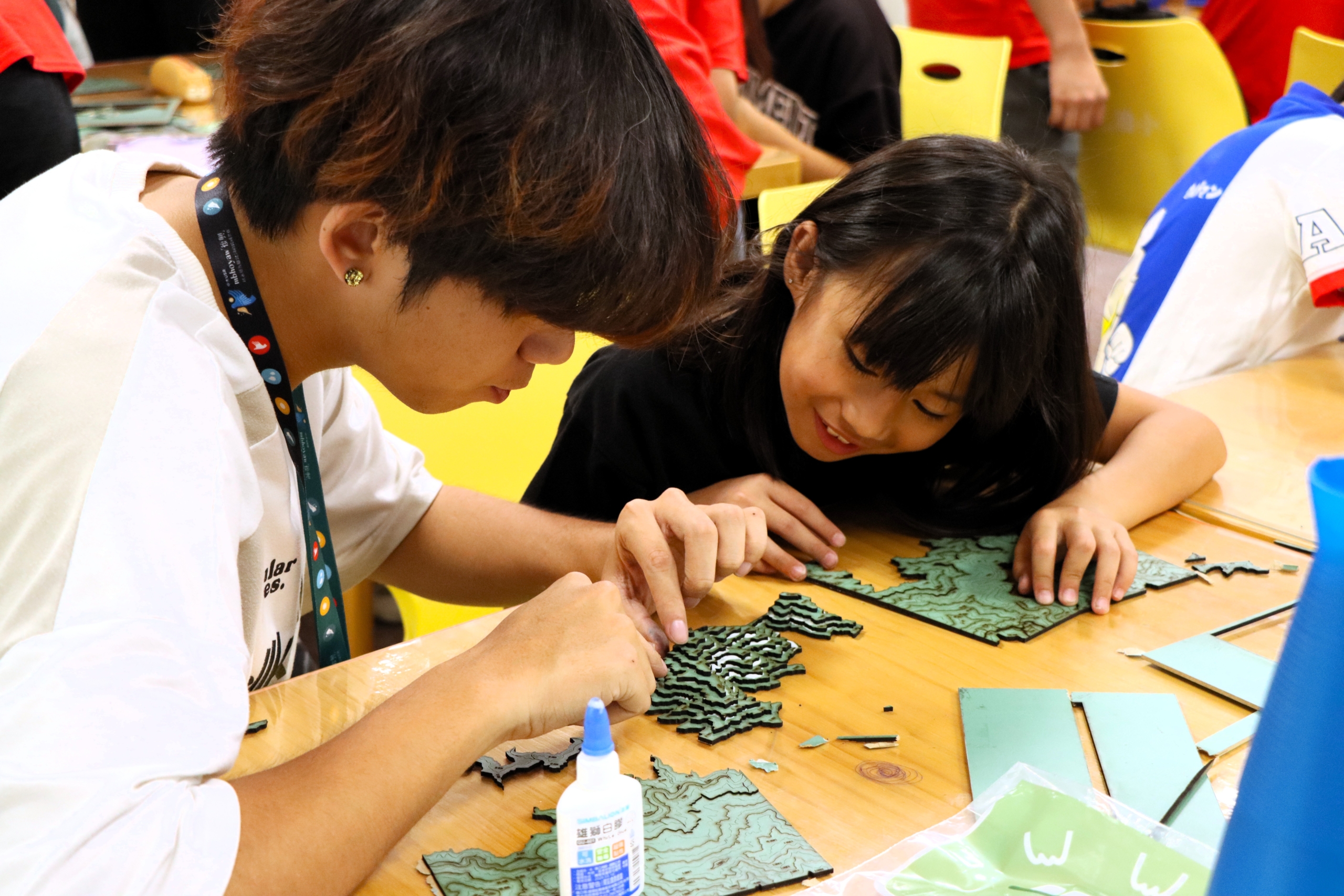
The camp officially began on the second day with a full schedule of activities. In the morning, we guided the children in building their own drones. For me, it was a fascinating and innovative topic, and the children were equally curious and excited. From assembling the parts to learning how they worked, every step captured their attention, filling the classroom with excitement and laughter. In the afternoon, we worked on contour map models. Compared with the drone activity, the concept of contour lines was much more abstract, and many of the children struggled to understand how to build their models at first. We worked alongside them step by step and helped complete many of the projects. Although it was a busy afternoon, it was rewarding to see every child finish their own model and proudly take it home as a keepsake.
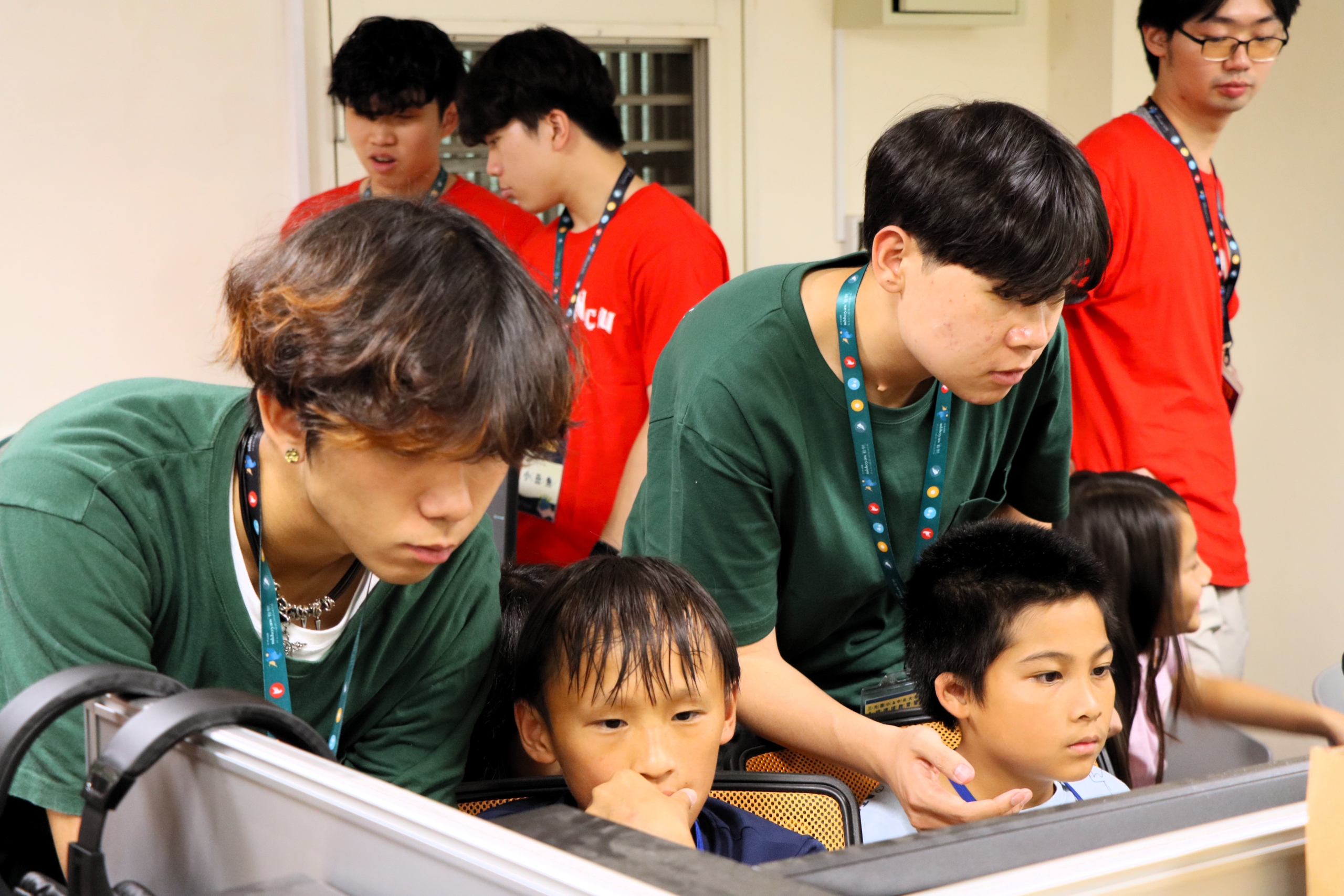
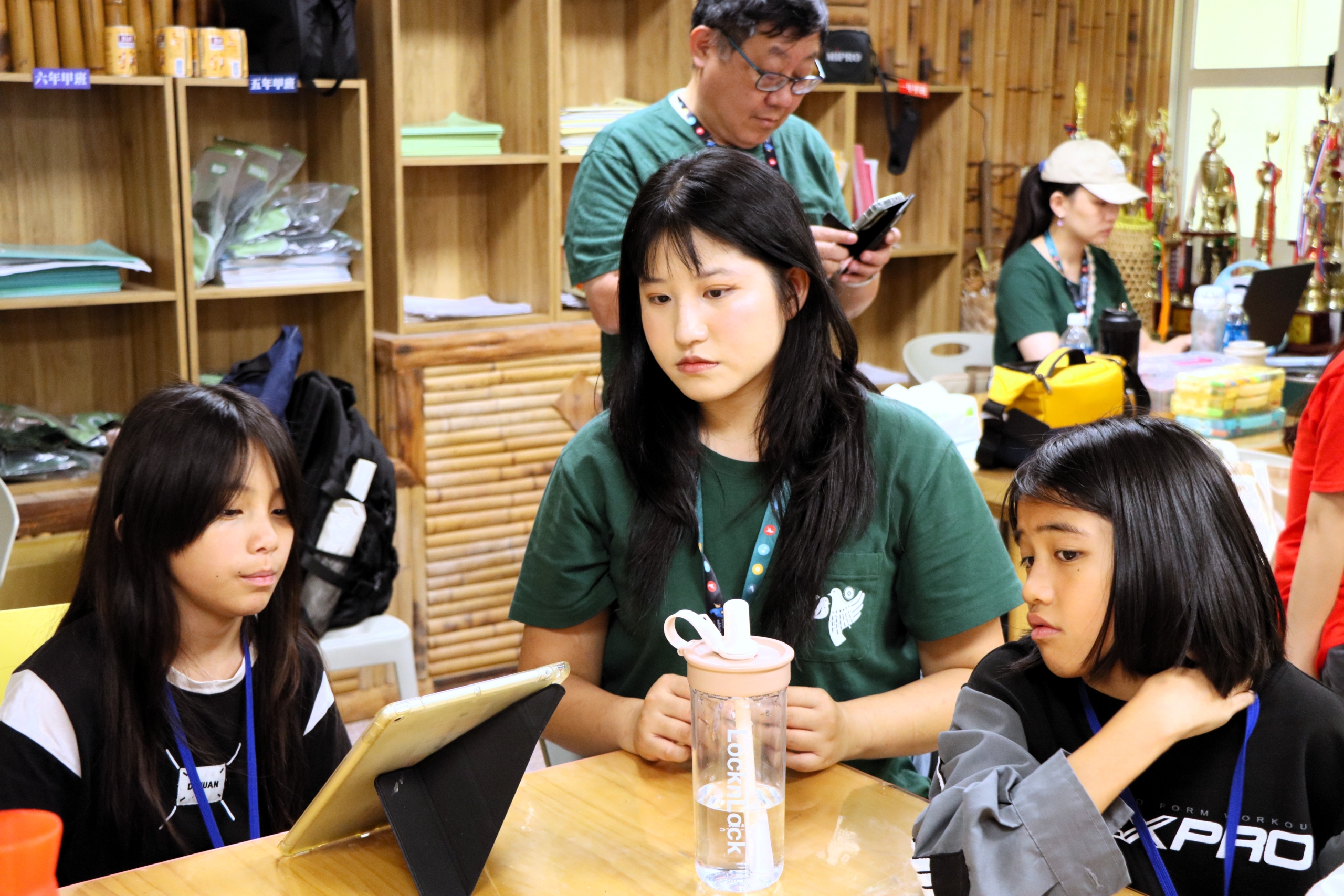
The third day was devoted entirely to augmented reality (AR) activities. What impressed me most was how comfortable the children were with using tablets. They were able to navigate most of the functions with little or no assistance. During the Kahoot! quiz competition, everyone eagerly competed to answer the questions, creating a lively and energetic atmosphere. Later, as they explored the campus through AR and learned about different landmarks, the technology transformed what could have been a simple campus tour into an engaging and interactive learning experience.
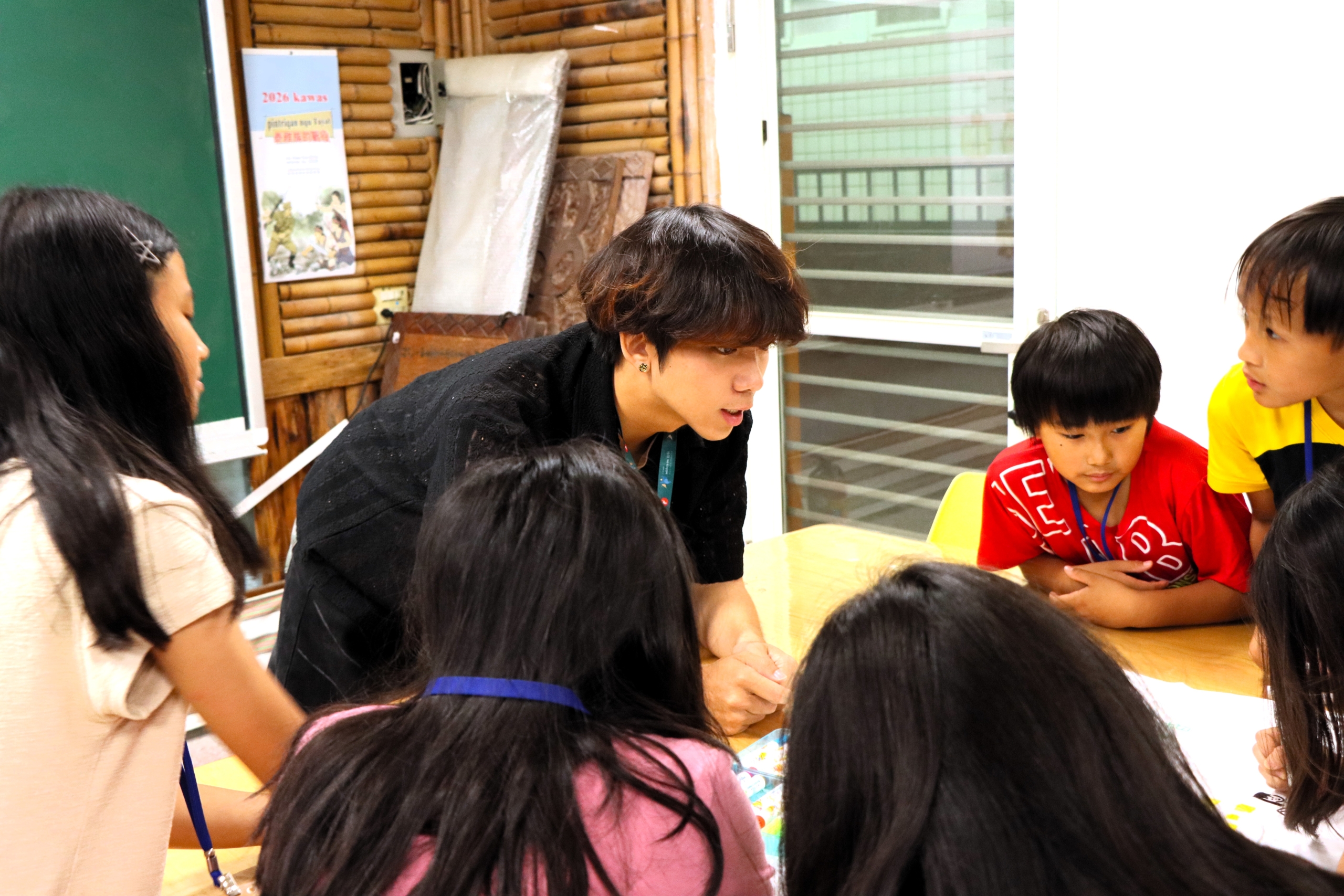
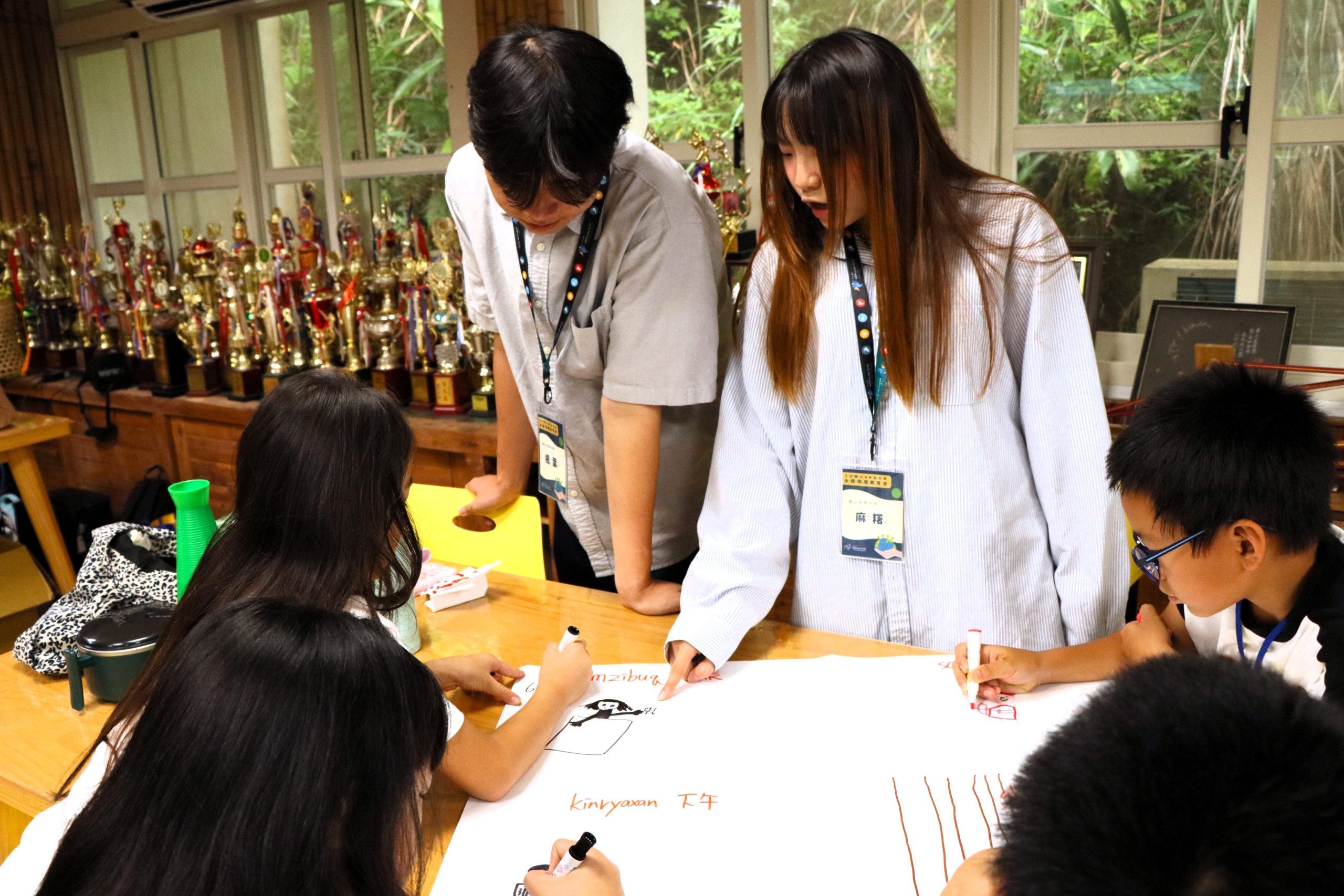
On the final morning, we participated in a lesson on Atayal culture, which became the most meaningful session of the entire camp for me. Since many students at Sanguang Elementary School are members of the Atayal community, it was common to hear the teachers and children communicating in their native language. Although I could not understand their conversations, that only deepened my appreciation for the importance of preserving Indigenous languages and culture. Through the teacher’s introduction, I gradually learned about the structure of the Atayal language as well as the community’s traditions, cultural heritage, and writing system. It was a rare and fascinating learning experience that broadened my understanding of Taiwan’s Indigenous cultures.
For me, this camp felt less like serving as a camp counselor and more like returning to spend time with a group of familiar friends. Seeing the children still remember my name and happily run over to greet me filled me with a genuine sense of warmth and joy. Sanguang Elementary School has given me far more than volunteer experience—it has given me meaningful relationships, unforgettable memories, and a place that will always hold a special place in my heart. I sincerely hope I will have the opportunity to return one day and see these wonderful children again.
Written by Li, Yu-Chen
Edited by Li, Ruo-Chia
Photos by Li, Ruo-Chia
This was my fourth time participating in the summer camp at Sanguang Elementary School. Honestly, watching these children grow up year by year—and realizing that one group has already graduated—gave me the same sense of pride and fulfillment that a father might feel watching his children grow. Looking back at the previous camps, most of our activities focused on the natural environment and sustainability education. This year, however, the camp introduced many exciting new elements, including drone building, Google Maps, GIS (Geographic Information Systems), and other technology-based lessons, while still concluding with activities centered on Atayal culture. I found this combination of technology and culture both refreshing and inspiring.
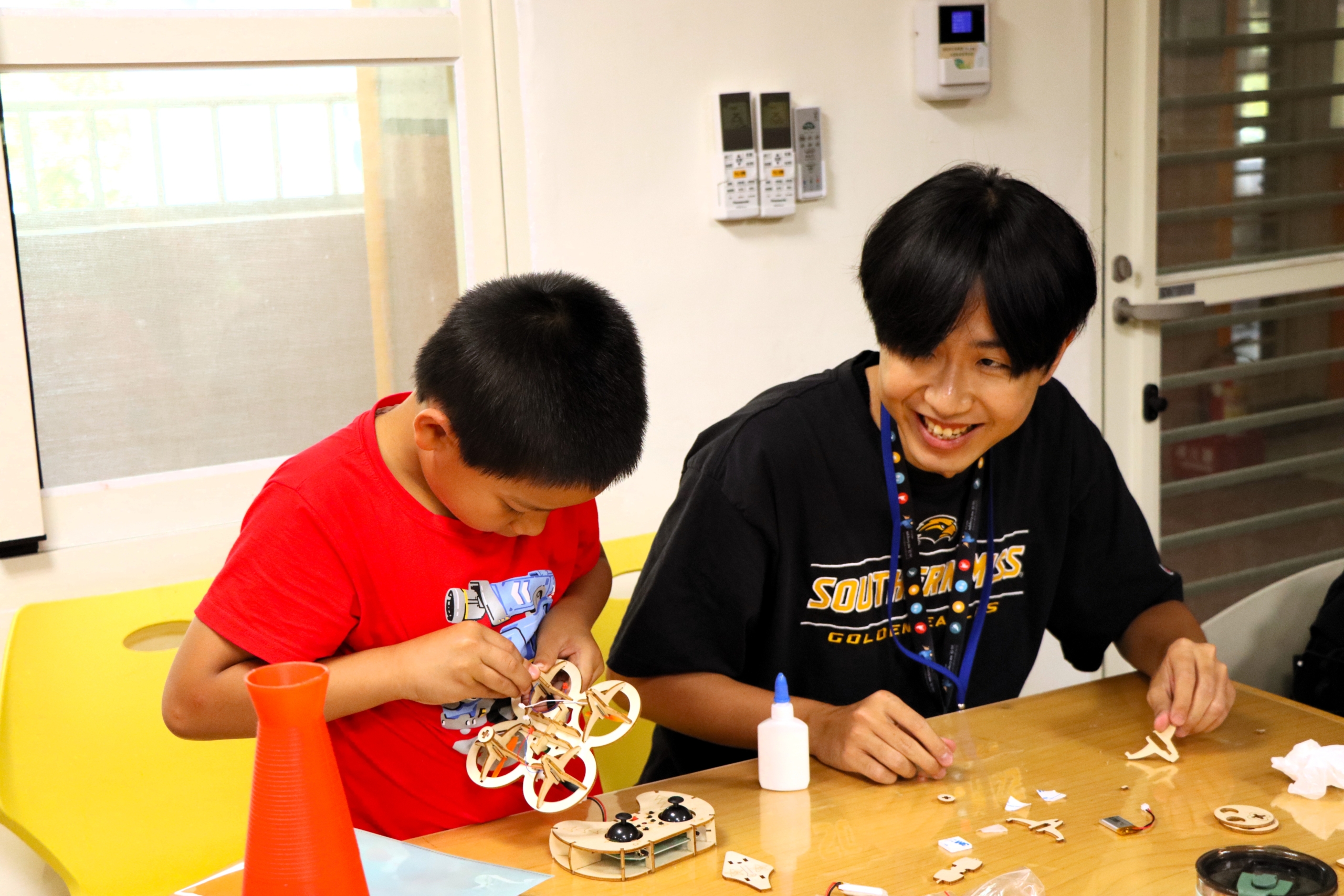
Among all the activities, the highlight for me was definitely the hands-on drone-building session. The activity fascinated not only the children but also us camp counselors. Although the children were unable to fully demonstrate their drones during the final presentation because of safety concerns and space limitations, seeing the excitement and curiosity in their eyes as they assembled the drones was, in itself, the greatest reward of the lesson.
Ironically, my favorite moment of the entire camp was not during any formal class, but during an ordinary afternoon break in the computer classroom on the second day. After one session had just ended, a few children and I sat together and simply chatted. We didn’t talk about anything profound—we just listened to their funny stories about school, joked around, and laughed together. In that moment, I felt as if I had returned to my own elementary school days, when there were no academic pressures or worries about the future—just the simple joy of sharing everyday moments with people around me. The classroom was still lively and noisy, yet that ordinary moment felt especially precious.
On the final day of the camp, I tried not to show my emotions, but deep down I felt more reluctant to say goodbye than ever before. Perhaps it was because I knew I would soon be graduating from university, and this would most likely be my last opportunity to return to Sanguang Elementary School as a camp counselor. The thought that this might be the last time I would sit in those familiar classrooms, learn, chat, and laugh together with these wonderful children quietly filled me with a deep sense of sadness.
Finally, I simply want to say thank you to every child at Sanguang Elementary School. Thank you for bringing so much happiness into my life. Your sincerity, your kindness, and your bright, genuine smiles are memories that I will treasure and never forget for the rest of my life.
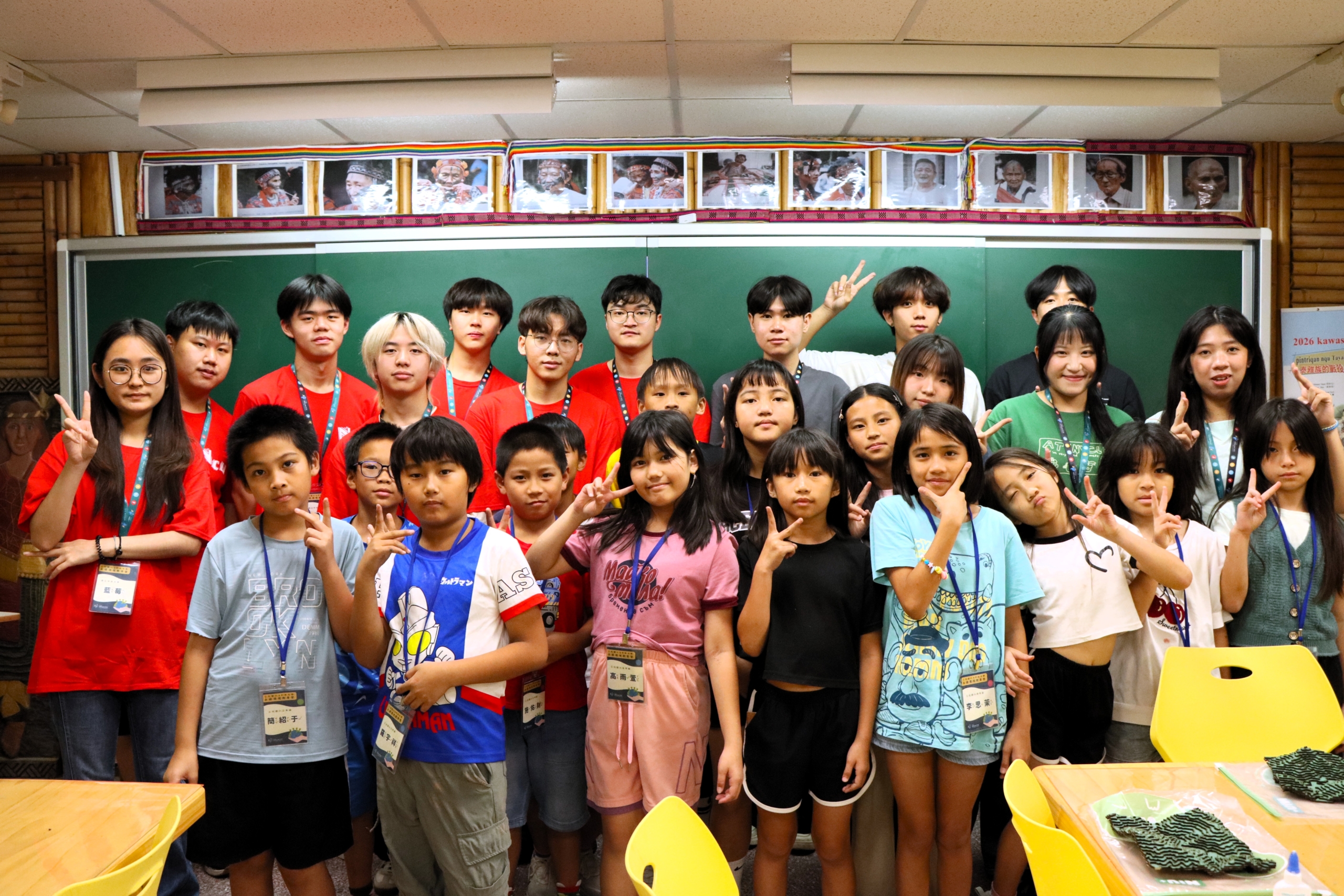
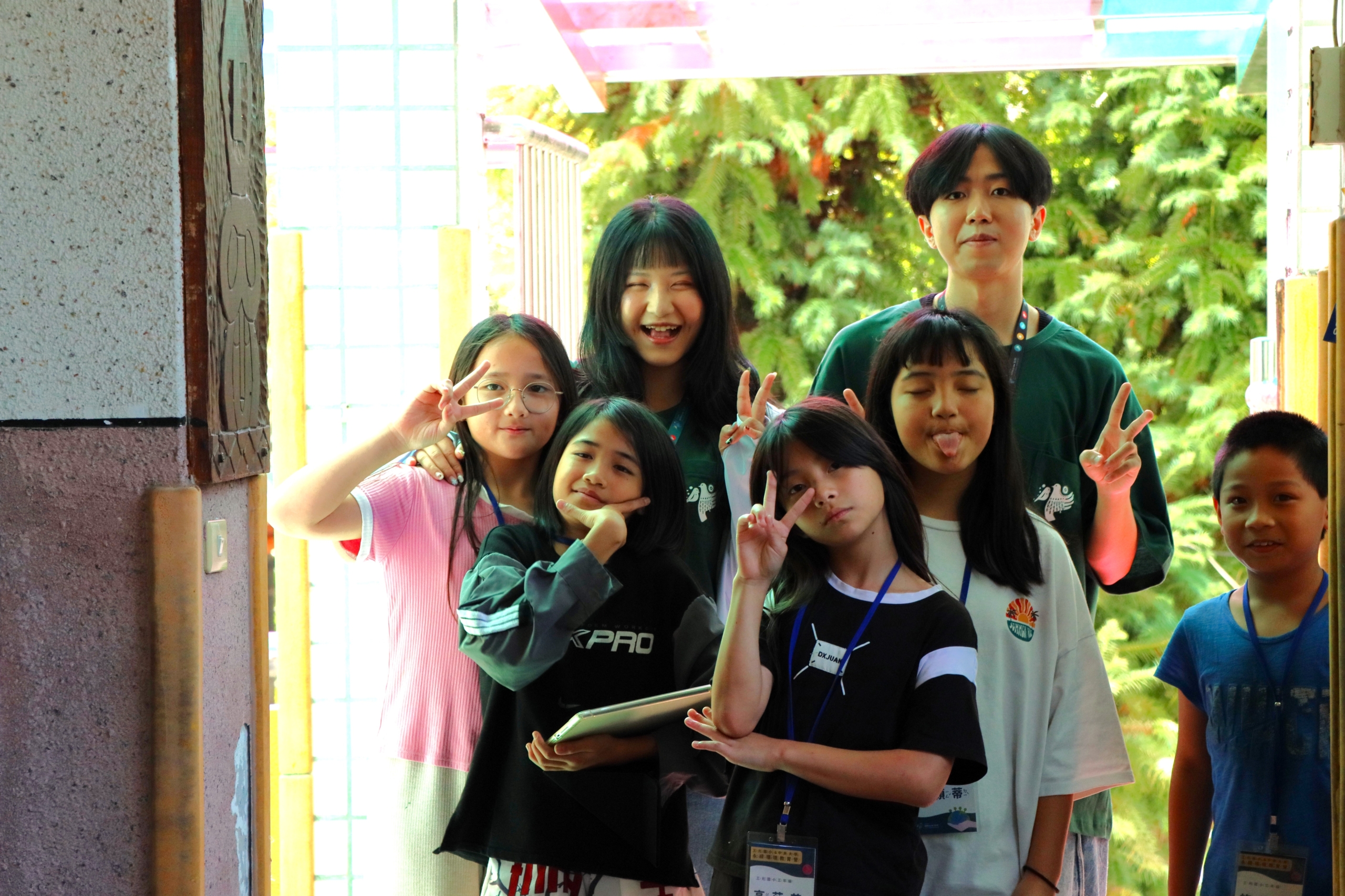
Written by Hsu, Shao-Qian
Edited by Li, Ruo-Chia
Photos by Li, Ruo-Chia
This was my second journey to Sanguang Elementary School, and the scenery along the way felt just as familiar as before. I still remember the day we arrived early to help set up the camp. As soon as a few students who had come to school early saw us, they greeted us with bright smiles and enthusiastic waves. Their joyful expressions were just as I remembered. Many of those innocent faces belonged to children we had met during the winter camp, making the reunion even more heartwarming. At that moment, I realized that Sanguang was still the same place I remembered—a place filled with warmth, energy, and a sense of belonging that had stayed with me ever since my first visit.
This camp was designed primarily for upper elementary students, so the lessons were more advanced and challenging than those in the winter camp. The curriculum thoughtfully combined modern technology with local culture. We guided the children in assembling simple drones, introduced them to the practical applications of drone technology, and helped them create miniature maps of their village, allowing them to gain a deeper understanding of the community where they had grown up.
The activity that impressed me the most was an interactive AR experience incorporated into the village mapping project. We turned the geography of their hometown into a series of challenges, encouraging the children to use tablets to solve puzzles and answer questions. As they successfully completed each task, they were doing much more than simply playing a game—they were learning about the history, geography, and stories of their own community in an engaging and memorable way. Watching them proudly introduce nearby landmarks and eagerly share their local knowledge made me truly appreciate the value of this lesson. It was not only about transferring knowledge, but also about helping them strengthen their sense of identity and connection to their hometown.
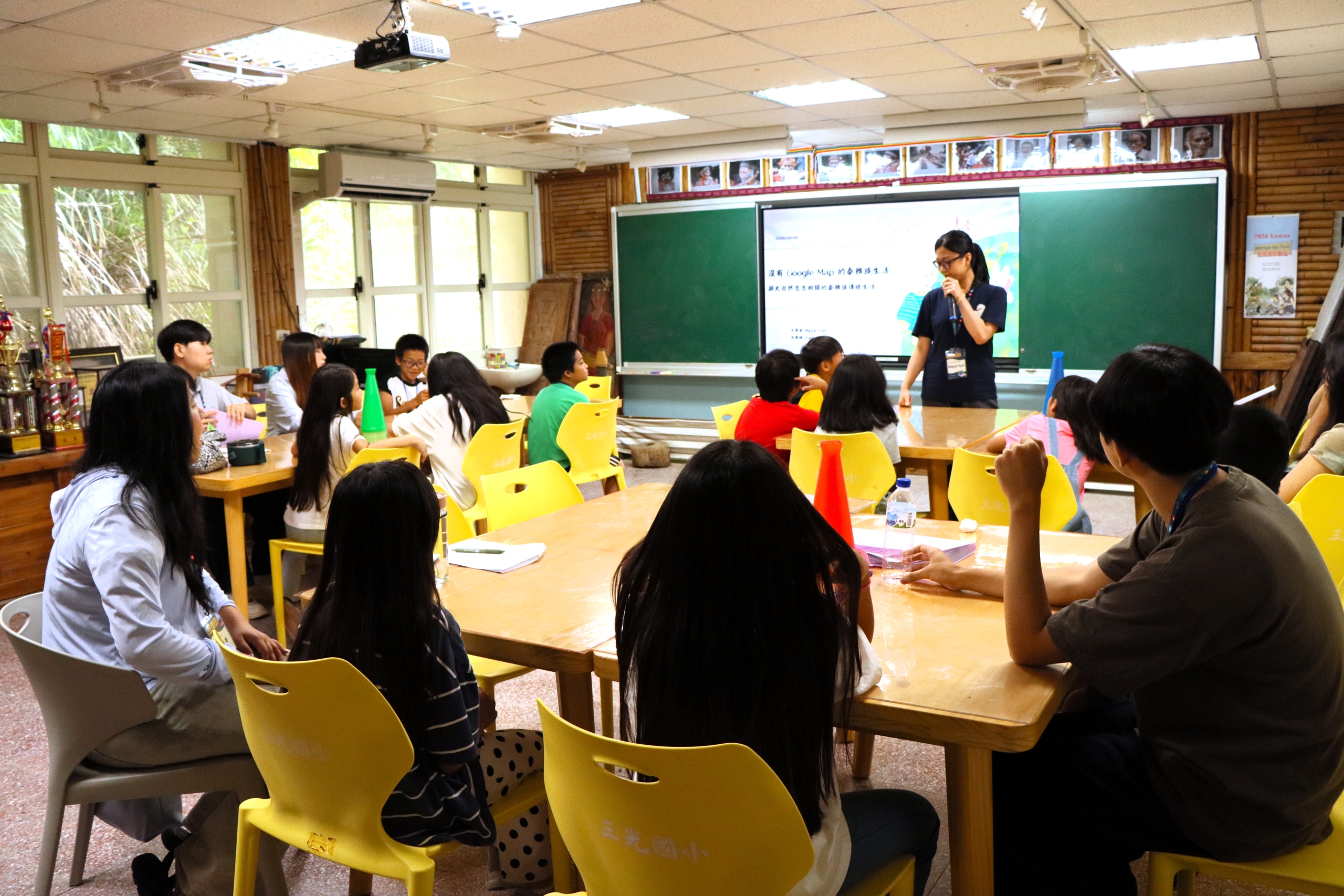
On the final day of the camp, we had a lesson on Atayal culture. As the instructor shared traditional stories, customs, and cultural practices, the children participated with remarkable enthusiasm. They eagerly raised their hands, confidently shared traditions from their own families and villages, and spoke with genuine pride about their cultural heritage. Their confidence and deep connection to their identity left a lasting impression on me.
As the camp was coming to an end, one of the children in our group quietly lowered his head and said that he would miss us. Hearing those simple words, I searched for the right response, hoping to comfort him. Yet as I looked into his sincere eyes, I realized something important. During those four short days, we had shared knowledge and companionship with the children, but what they had given us in return was something even more valuable—a pure and heartfelt sense of joy and connection.
Before I knew it, Fuxing District, Sanguang Elementary School, and these wonderful children had become an irreplaceable part of my life. The memories we created together are not simply moments from a camp, but precious bonds that I will always carry with me.
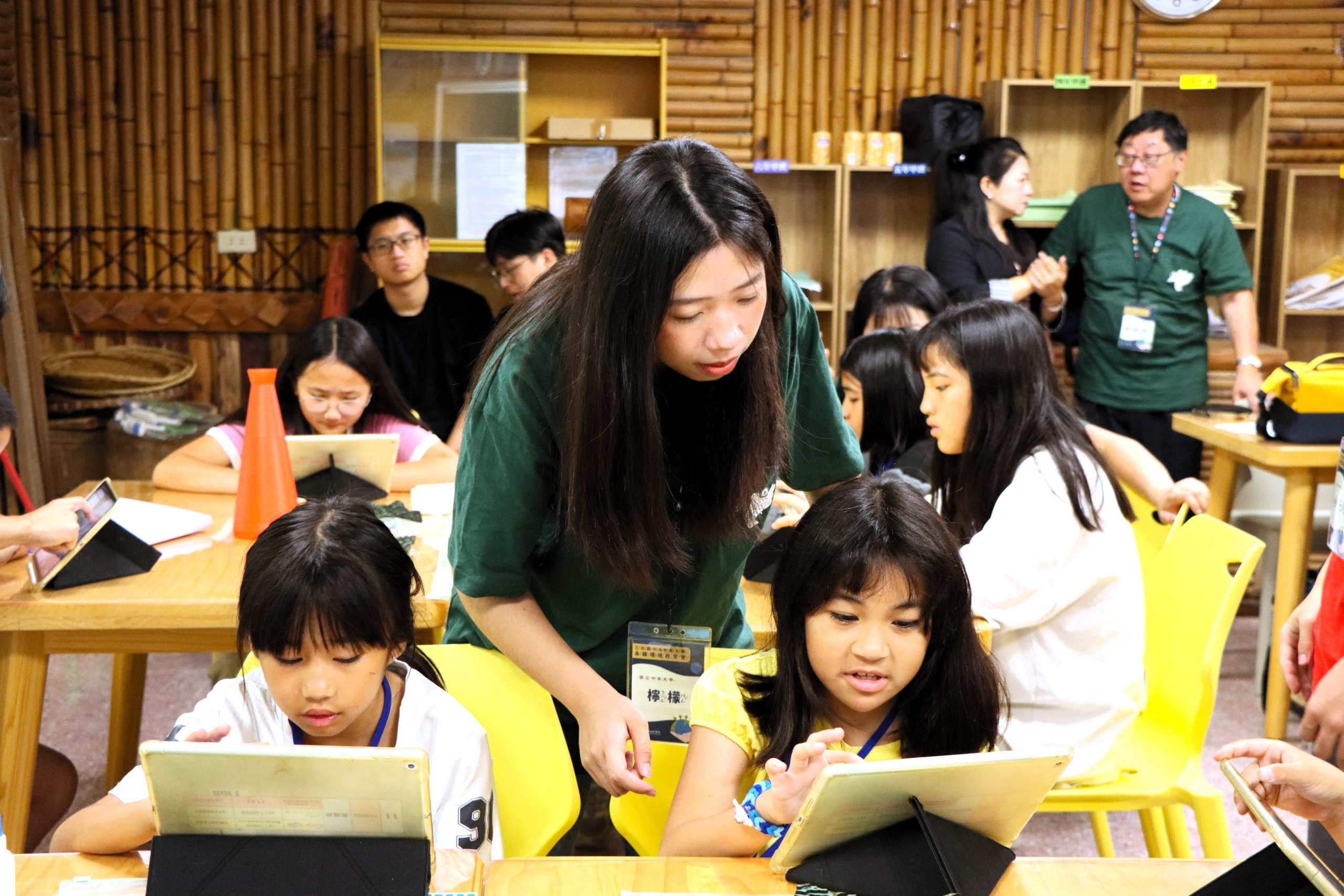
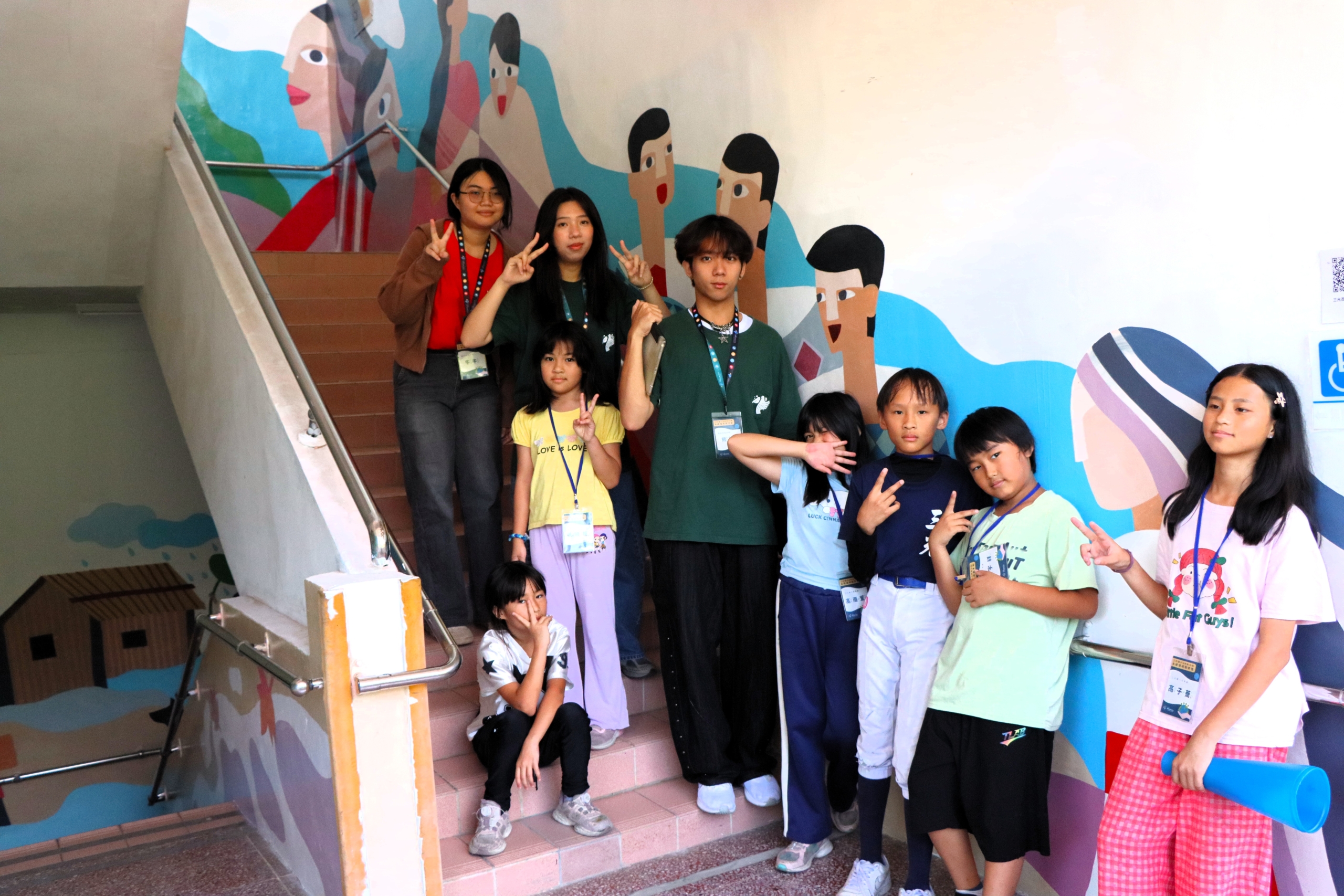
Written by Zeng, Chang-Hong
Edited by Li, Ruo-Chia
Photos by Li, Ruo-Chia
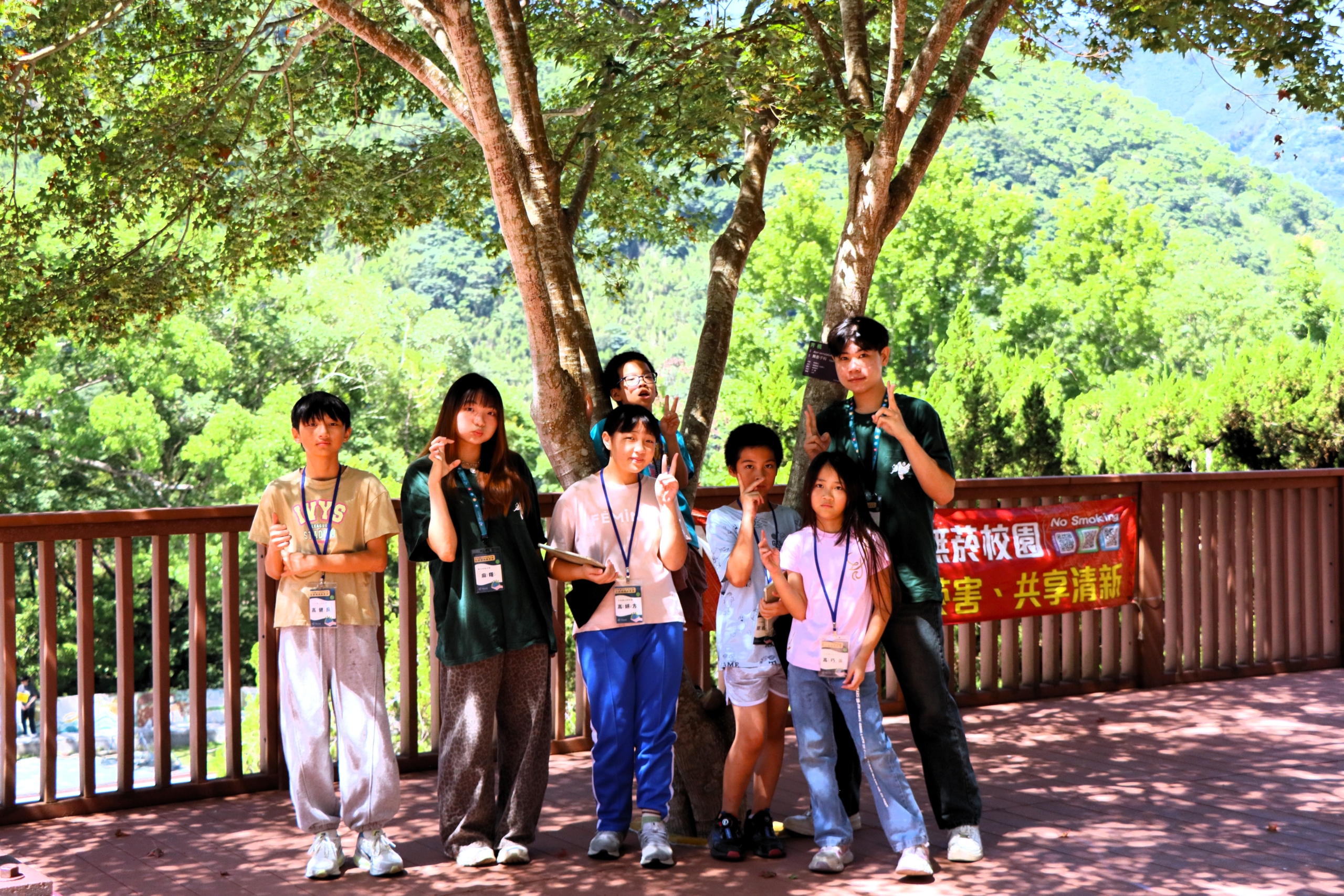
This was my fourth time joining National Central University’s University Social Responsibility (USR) Program on a journey to Sanguang Elementary School in Fuxing District, Taoyuan City. Compared with the places where I had previously volunteered, Sanguang is located higher in the mountains and deeper within the forest. Yet for me, that sense of familiarity and belonging has only grown stronger with each visit. Although the school is small and has only a handful of students, the warmth and close-knit relationships among everyone have never changed. Whenever the class bell rang, the children would rush toward us with the enthusiasm and confidence that are so characteristic of the Atayal people, eagerly inviting us to join them on the playground. Their bright, genuine smiles—like a refreshing mountain breeze—always had the power to instantly lift the spirits of us university students who had come from the busy pace of city life.
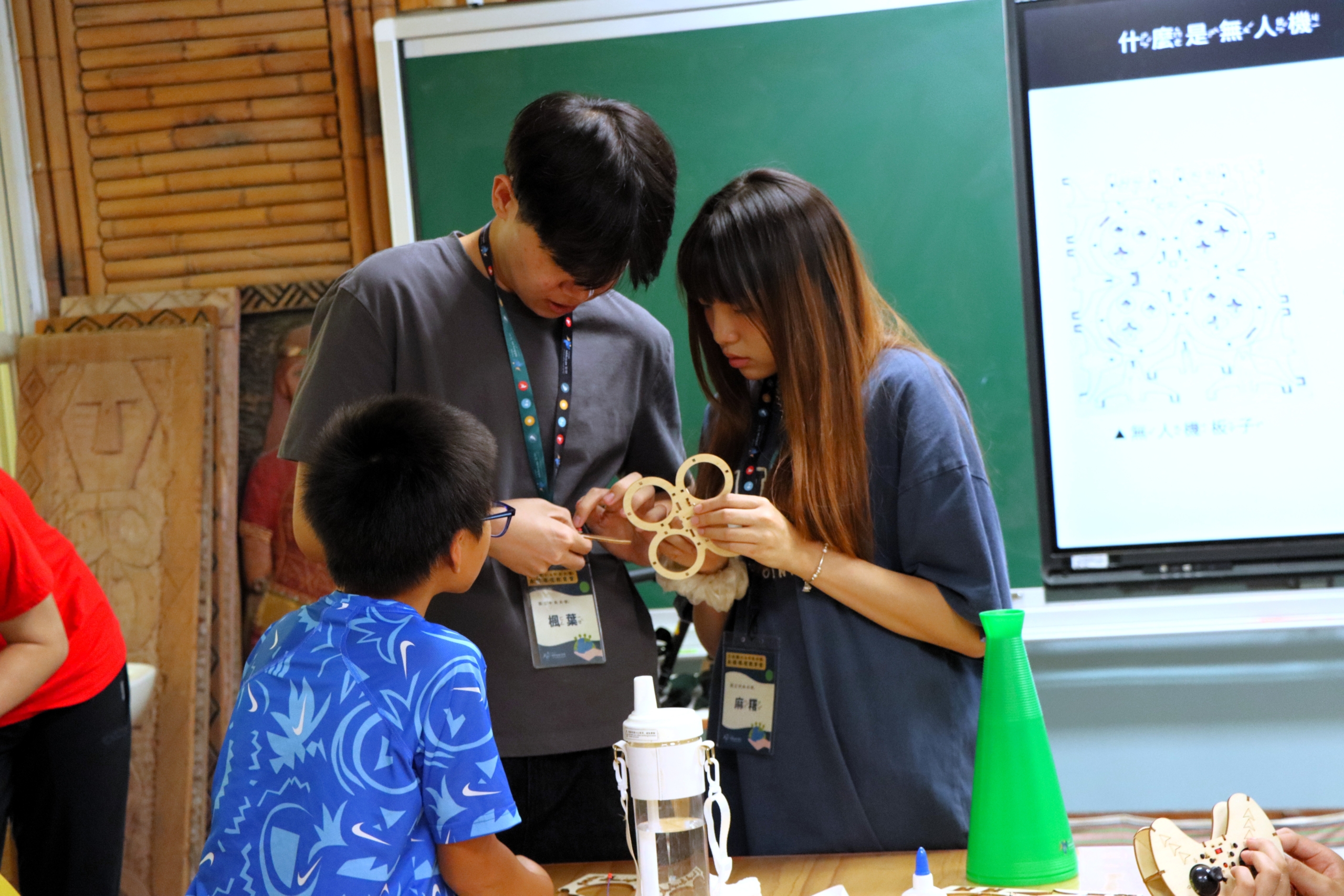
The three-day camp offered a rich variety of activities, covering local geography, Atayal culture, and cutting-edge drone technology. Among them, the drone workshop left the deepest impression on me. It introduced the children to a technology that was completely new to many of them. As I learned alongside the children, I realized that the experience was just as rewarding for me as it was for them. I learned, for the first time, how a drone is powered by four propellers and how the clockwise and counterclockwise propellers work together to keep it stable in flight. Watching the children eagerly answer questions and explore this new technology with sparkling eyes, I found myself hoping that they would carry this same curiosity and sense of wonder with them as they grow, allowing them to soar toward an even broader world.
To me, the true value of the USR Program goes far beyond a university fulfilling its social responsibility by engaging with local communities. It is a journey of mutual learning, companionship, and shared growth. We bring knowledge of technology, geography, and culture into the community, hoping to broaden the children’s horizons and inspire them to explore the world beyond their village. In return, the children remind us, through their sincerity and their deep connection to their land and culture, of the importance of respecting nature and appreciating the value of our cultural heritage. Although the four-day journey was brief, the memories created through learning, service, and personal growth will remain with us for years to come, inspiring us to continue pursuing a more sustainable future.
Written by Sun, Yi-Xin
Edited by Li, Ruo-Chia
Photos by Li, Ruo-Chia
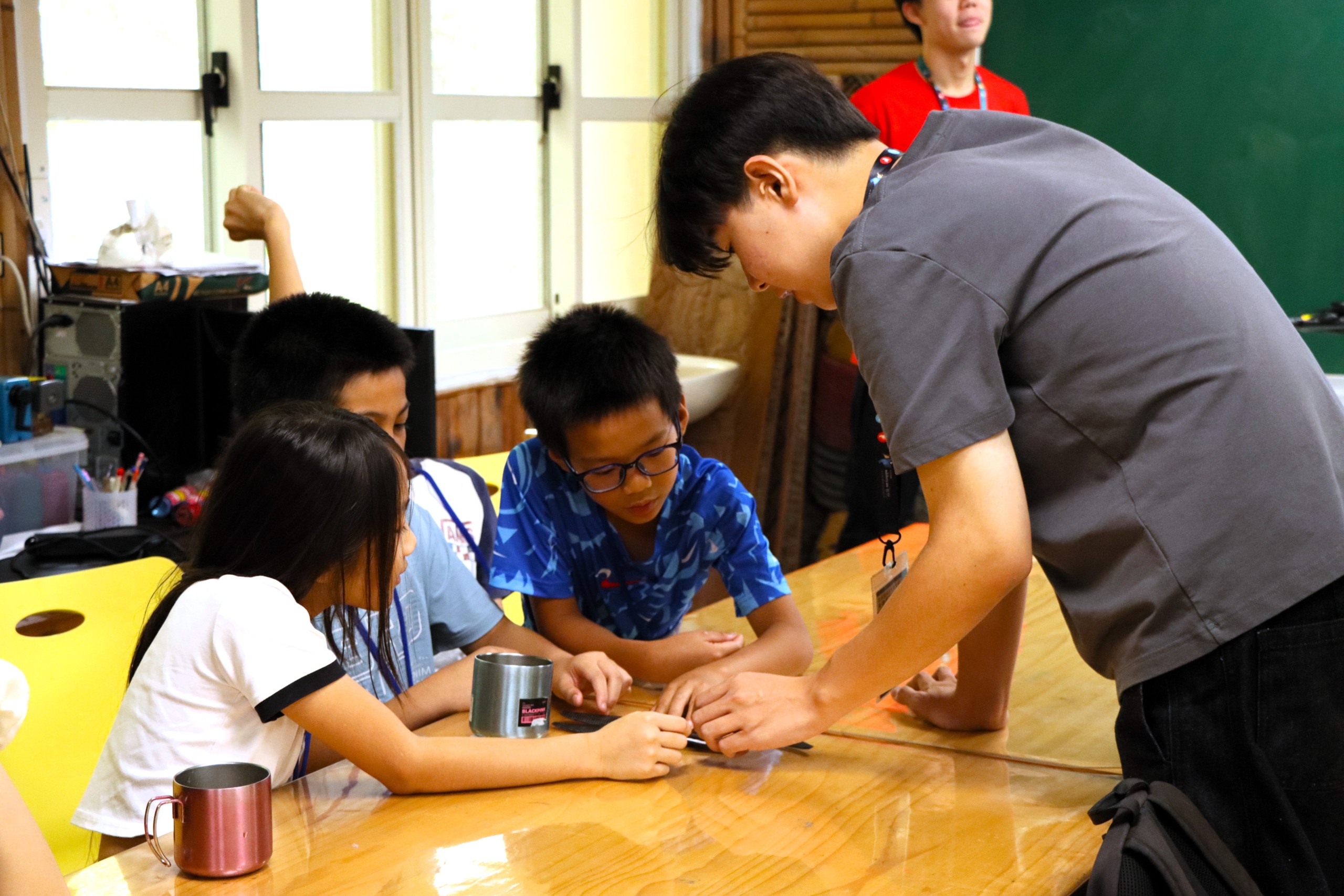
Five months later, I returned to Sanguang Elementary School once again. As soon as I stepped onto campus, I was greeted by familiar faces wearing bright smiles and enthusiastically waving to us. The first day’s lessons focused on drones. From the moment the children were introduced to drone technology, their curiosity and enthusiasm were written all over their faces. They learned about the functions of drones before moving on to the hands-on assembly, where they discovered how the different components work together and gained a basic understanding of the principles behind drone operation.
A funny incident happened during the activity. One of the children confidently told me that he was very good at wiring, so I happily let him take charge of assembling the drone. As the saying goes, “If nothing unexpected happens, expect the unexpected!” Sure enough, he connected every wire the wrong way around. In the end, the instructor and I helped reconnect the wiring correctly before letting him continue with the remaining steps. When the drone finally lifted off under the children’s own control, every face lit up with a wonderful sense of accomplishment.
I believe that growth comes through continuous hands-on practice and learning from experience. Activities like these allow children to explore ideas and technologies that cannot be learned from textbooks alone. For both the children and myself, it was an exciting and rewarding learning experience.
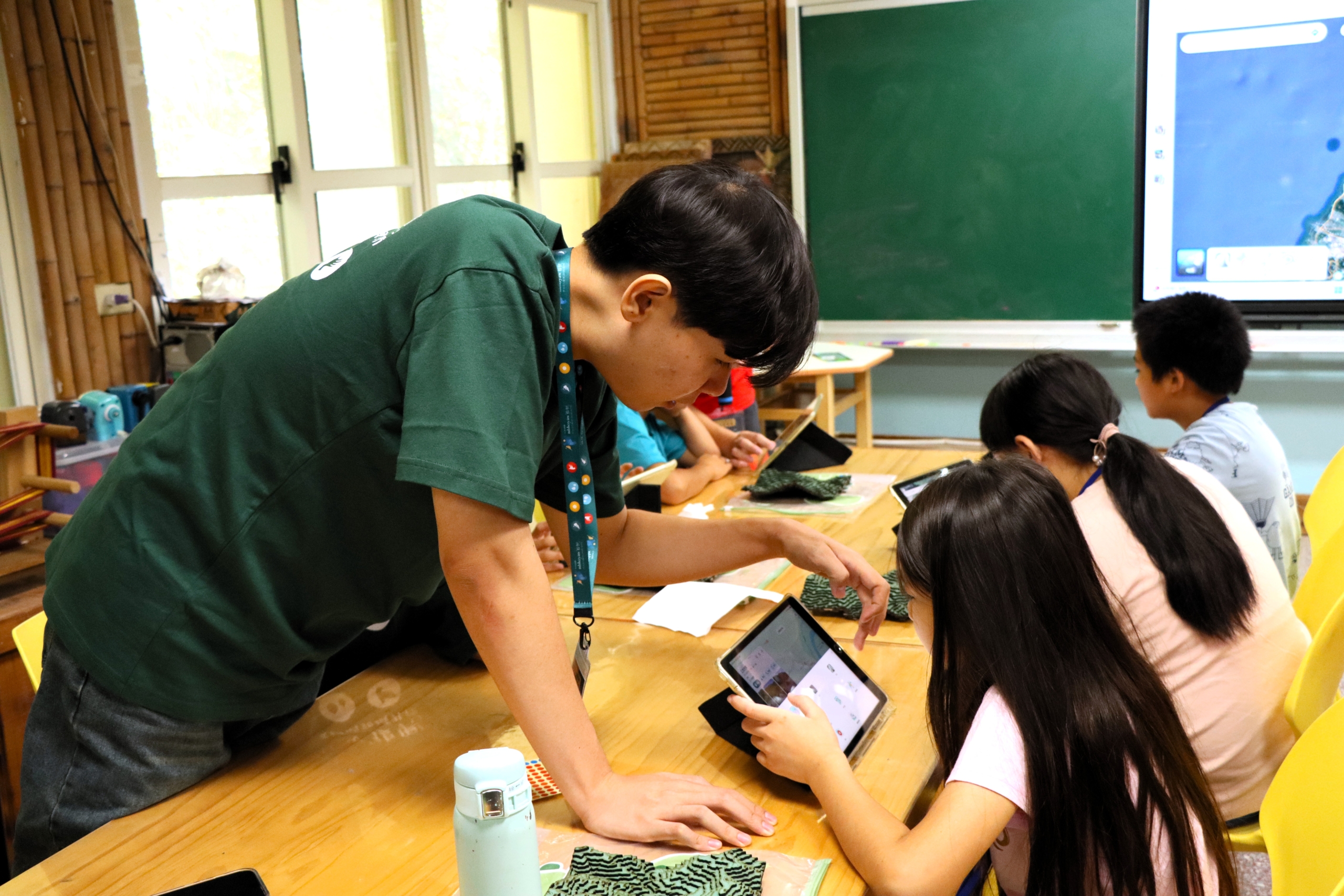
The second day began with an introduction to Geographic Information Systems (GIS), followed by an augmented reality (AR) campus experience. Sanguang Elementary School is home to many beautifully painted murals, each depicting stories and traditions of Atayal culture. Through the interactive AR activities, the children were able to explore these murals in a more engaging way, deepening their understanding of Indigenous culture while strengthening their sense of cultural identity and connection to their community.
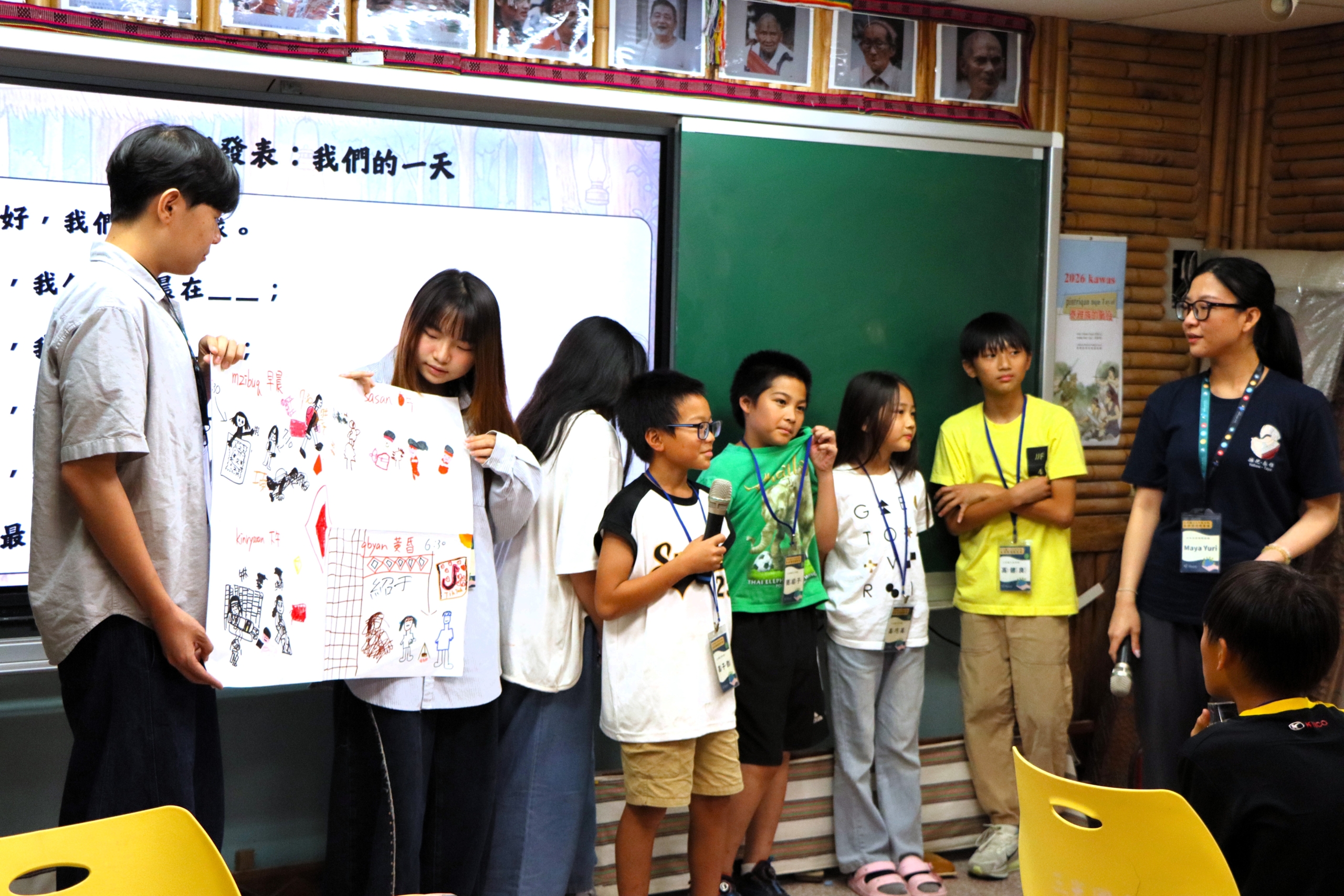
On the third day, Maya led us in learning about Atayal culture. From traditional ways of life and cultural customs to Atayal vocabulary, the session revealed the richness and uniqueness of Atayal heritage. It was both fascinating and inspiring, giving me a deeper appreciation of the diversity of Taiwan’s Indigenous cultures.
I believe every child is like a young sapling growing toward the sunlight, and we, as camp counselors, have the privilege of being a small part of that sunlight, accompanying them as they grow. I hope these lessons will leave them with more than just a brief sense of excitement. More importantly, I hope they will carry with them the knowledge, values, and perspectives they have gained throughout the camp.
I also cherished every ten-minute break between classes. Even under the blazing summer sun, we would accompany the children to the playground or simply sit together in a quiet corner of the campus and chat. These simple, carefree moments reminded me of my own elementary school days. The innocent joy of spending time with the children is something I now treasure more than ever.
Written by Ye, Wen-Chen
Edited by Li, Ruo-Chia
Photos by Li, Ruo-Chia
This summer, I returned to Sanguang Elementary School once again as a camp counselor. Every visit feels like stepping away from the fast-paced life of university and rediscovering a sense of simplicity and sincerity. As expected, on the very first day, we spent less than two hours setting up the camp venue before the children noticed us. The moment they saw us, they ran over excitedly, greeting us with enthusiasm and familiarity. Their warm welcomes immediately made me feel at home. Before the camp began, I had actually been feeling a little nervous. However, the children’s genuine enthusiasm seemed almost magical—it quickly brought me back to the familiar rhythm of previous camps and reminded me that sincerity is always more important than technique.
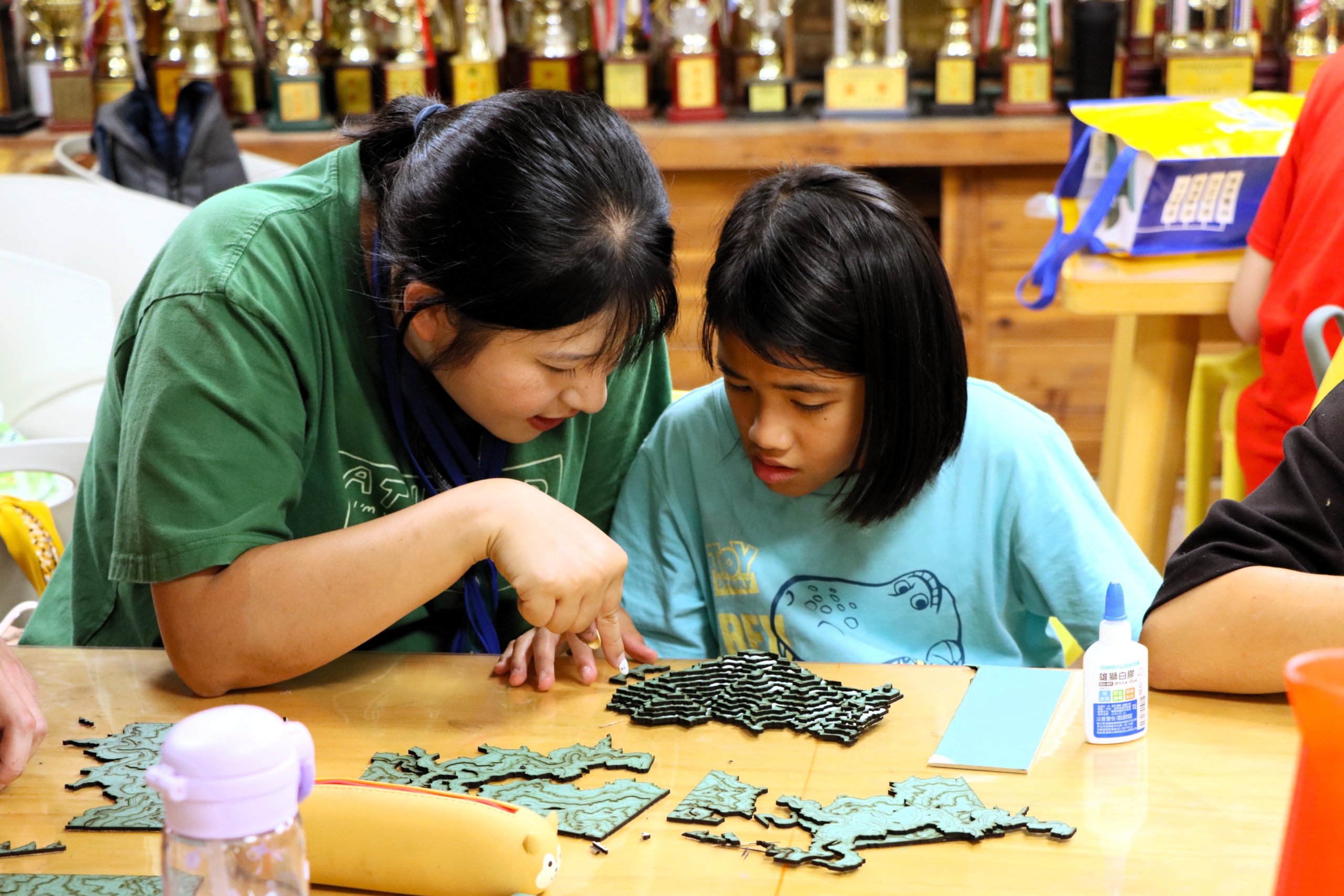
This year’s activities were more challenging than before, not only for the children but also for me. Building and operating drones, as well as creating contour maps, were all experiences I had never explored in depth. I found the lessons fascinating and learned many new things myself. For the younger children, however, these activities were understandably more difficult. The assembly process involved many detailed steps, and it was easy for them to become frustrated or lose focus. What impressed me most was their willingness to keep trying. With just a little encouragement, they were able to regain their concentration and continue learning, often showing far more patience and perseverance than I had expected.
Before the camp came to an end, a friend who had joined me at last summer’s camp and I stood once again at the school gate and recreated the very same photo we had taken a year earlier. Looking back, I feel incredibly fortunate to have returned to Sanguang Elementary School so many times during my four years at university. These experiences have become some of the most precious and unforgettable memories of my college life.
Every time I come back to Sanguang, the children’s wholehearted smiles remind me that happiness can be wonderfully simple—it doesn’t need any complicated reason. I am deeply grateful to these amazing children. While accompanying them as they grow, I have also rediscovered my own sense of innocence, enthusiasm, and joy.
Written by Lai, De-yun
Edited by Li, Ruo-Chia
Photos by Li, Ruo-Chia