
This was my third time returning to Sanguang Elementary School. Coming back every six months, what I notice most is not how the camp activities have changed, but how much the children themselves have grown.
During my first visit, many of them had difficulty sitting still and were easily distracted. By the second visit, they had learned how to cooperate. This time, however, they often knew when to stay quiet and when to focus—sometimes without any reminders at all. This change did not happen overnight; it was the result of small moments accumulating over time. Perhaps because I return only after long intervals, these subtle yet genuine signs of growth feel especially vivid to me.
One of the most memorable lessons in this camp involved learning Atayal vocabulary related to plants. I initially thought the topic might feel unfamiliar to the children, but to my surprise, they were deeply engaged and eager to share plants they had seen or touched in their daily lives. These words were not merely elements of a language; they were closely intertwined with the children’s environment. It felt less like a lesson and more like a process of rediscovering their own lives and culture. Through this, I could see their maturity—not only in remembering the words, but in beginning to understand why these things matter and why they are worth preserving. In that moment, I realized that the children were growing into thoughtful individuals in their own quiet ways.
There was also a small moment during the camp that stayed with me. One child was about to transfer to another school, and although the others were aware of it, they rarely spoke about it directly. Still, their reluctance was unmistakable: they stayed closer together during activities and were noticeably quieter after class. Their emotions did not need to be explained—they simply existed. Sanguang is a small school with few students, and precisely because of that, the bonds between them are especially close. Losing one classmate does not mean simply welcoming someone new; it means losing a companion who shared their everyday lives. Watching their reactions, I was reminded of how precious it is to grow up in such an environment.
Each time I return to Sanguang, I am not only a participant in the camp, but also an observer, quietly witnessing the children as they move forward in their lives. All I can do is accompany them for a short stretch of their journey. Meeting them every six months has long become more than a scheduled task—it is something I look forward to. If this truly is the final visit, I know I will still carry these images with me: their focused expressions in class, their laughter on the playground, and the sight of them taking another small step forward each time I return. These experiences remind me that some forms of companionship do not need to last long to leave a lasting, meaningful imprint.
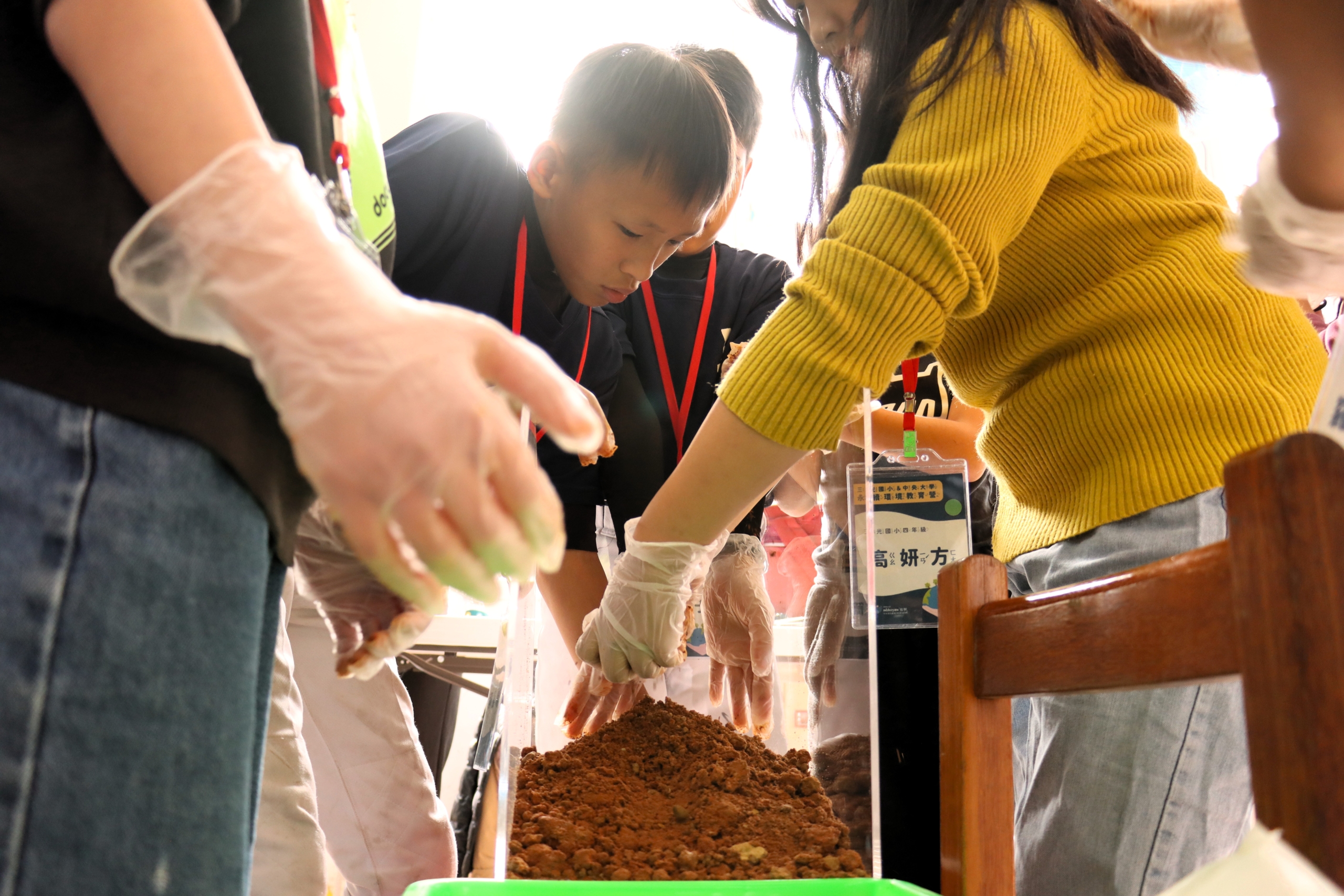
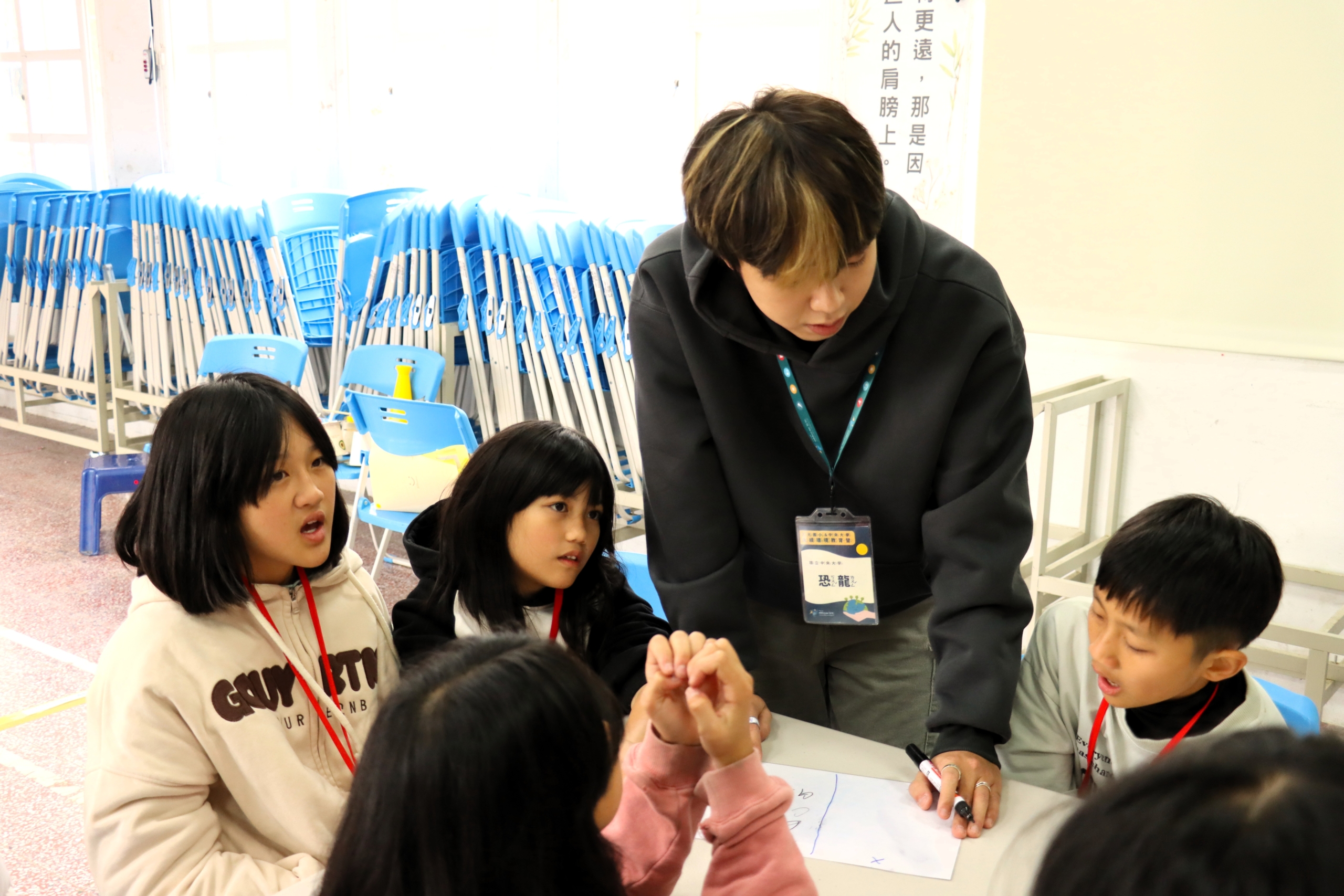
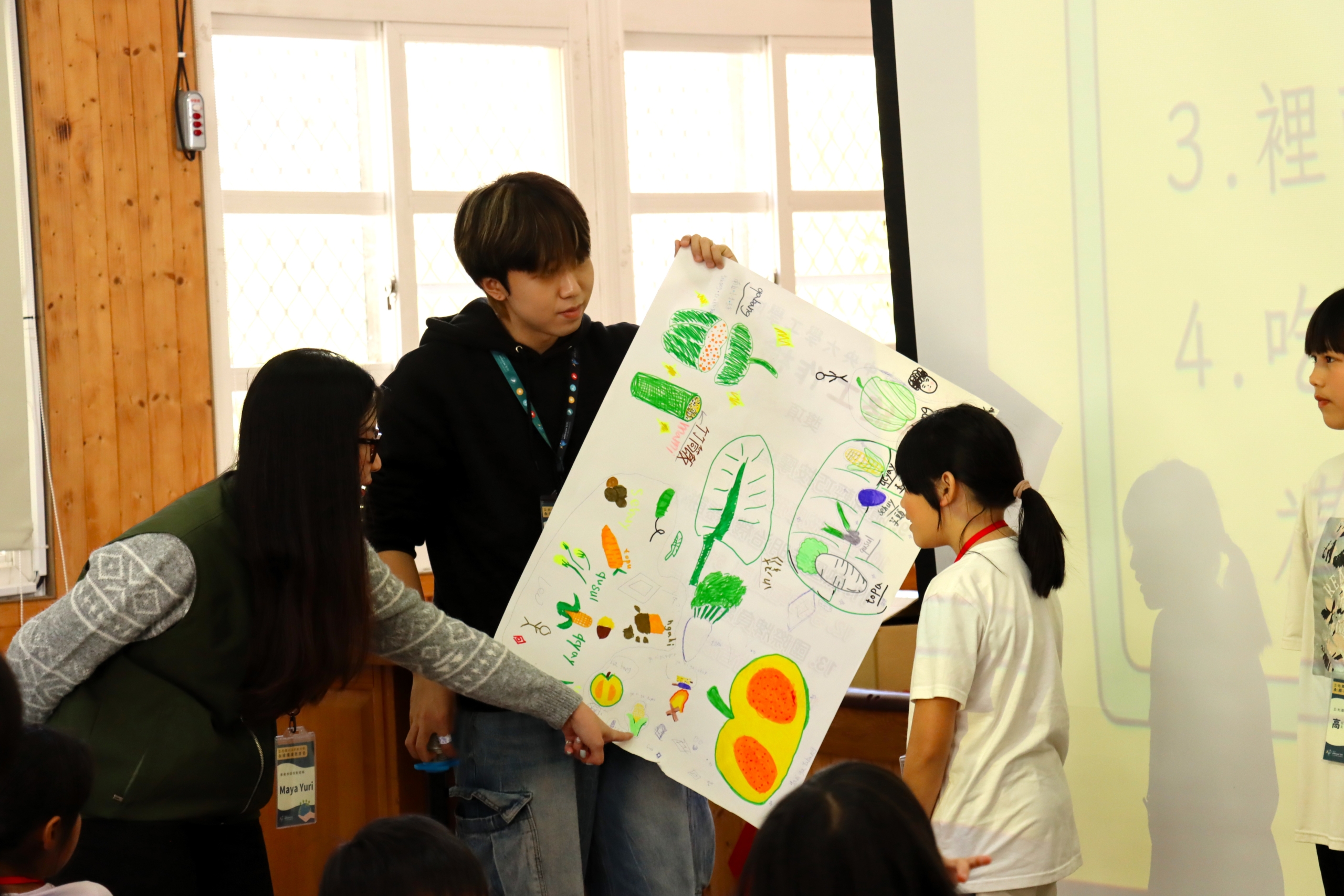
Written by Hsu, Shao-Qian
Edited by Li, Ruo-Chia
Photos by Li, Ruo-Chia
This was my second time participating in the camp at Sangguang Elementary School. Having been there before, I was mentally prepared for the general schedule, the route, and the flow of activities, and I knew better how to adjust my own state. Yet, despite my preparation, I still got motion sickness on the way up the mountain. The discomfort reminded me once again: this journey is not easy. And perhaps it’s precisely because it isn’t easy that the experience feels even more profound and memorable.
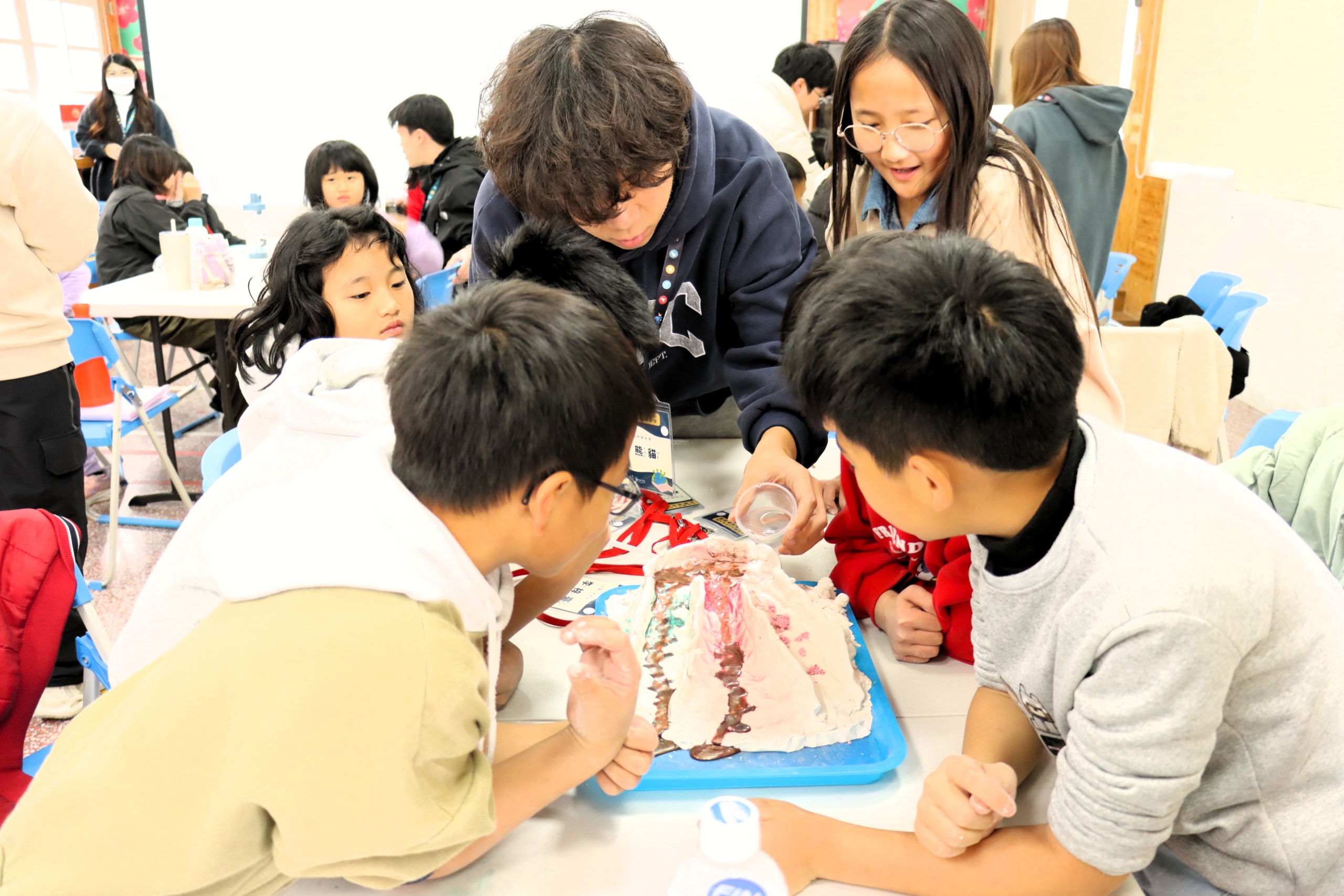
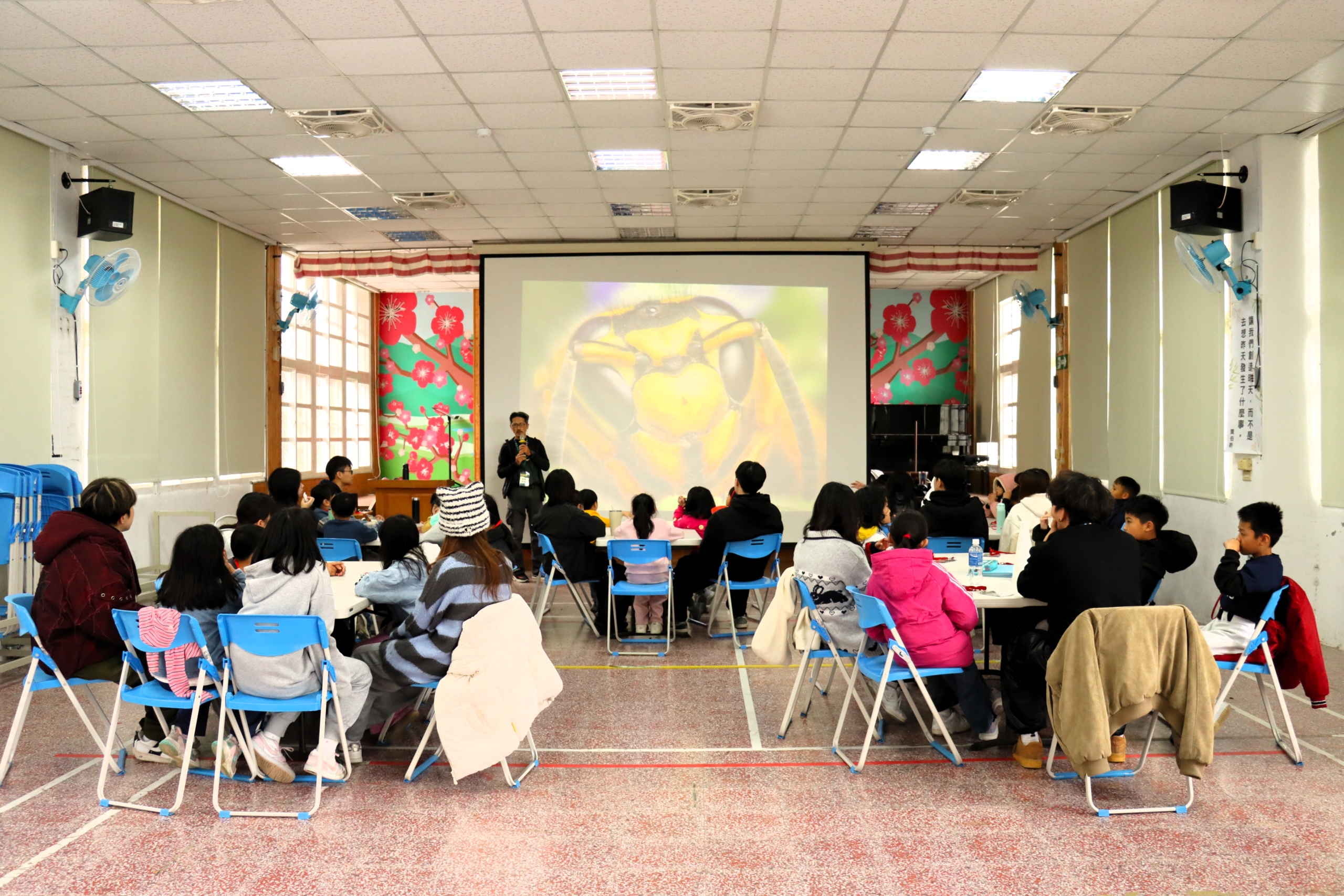
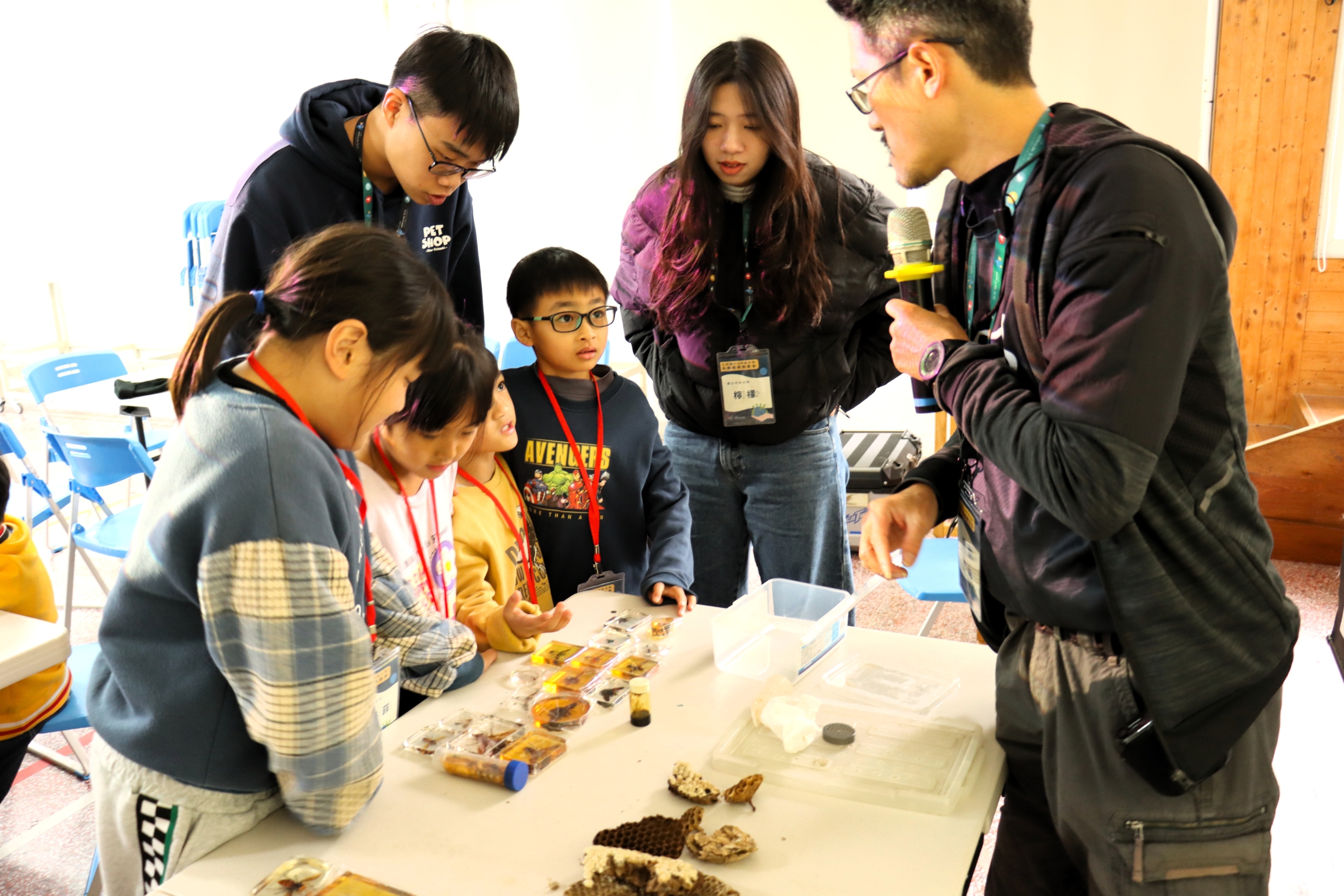
On the first day, the moment we arrived at Sangguang Elementary, the atmosphere was lively and full of energy. The children were excited and spirited, and I was especially touched when many of them immediately called out “Panda Brother” upon seeing me, even telling me they remembered my visit from before. Being remembered by the children carried a weight far greater than I had anticipated—it made me realize that my previous efforts and time spent with them had truly left an impact. The first day’s lessons focused on disaster preparedness. Through a combination of explanation and hands-on practice, the children didn’t just “hear about” safety—they really learned what to do in various situations. In the afternoon, we introduced them to different types of bees, which was fresh and relatable content. It was not only educational for the children, but also a valuable learning experience for me.
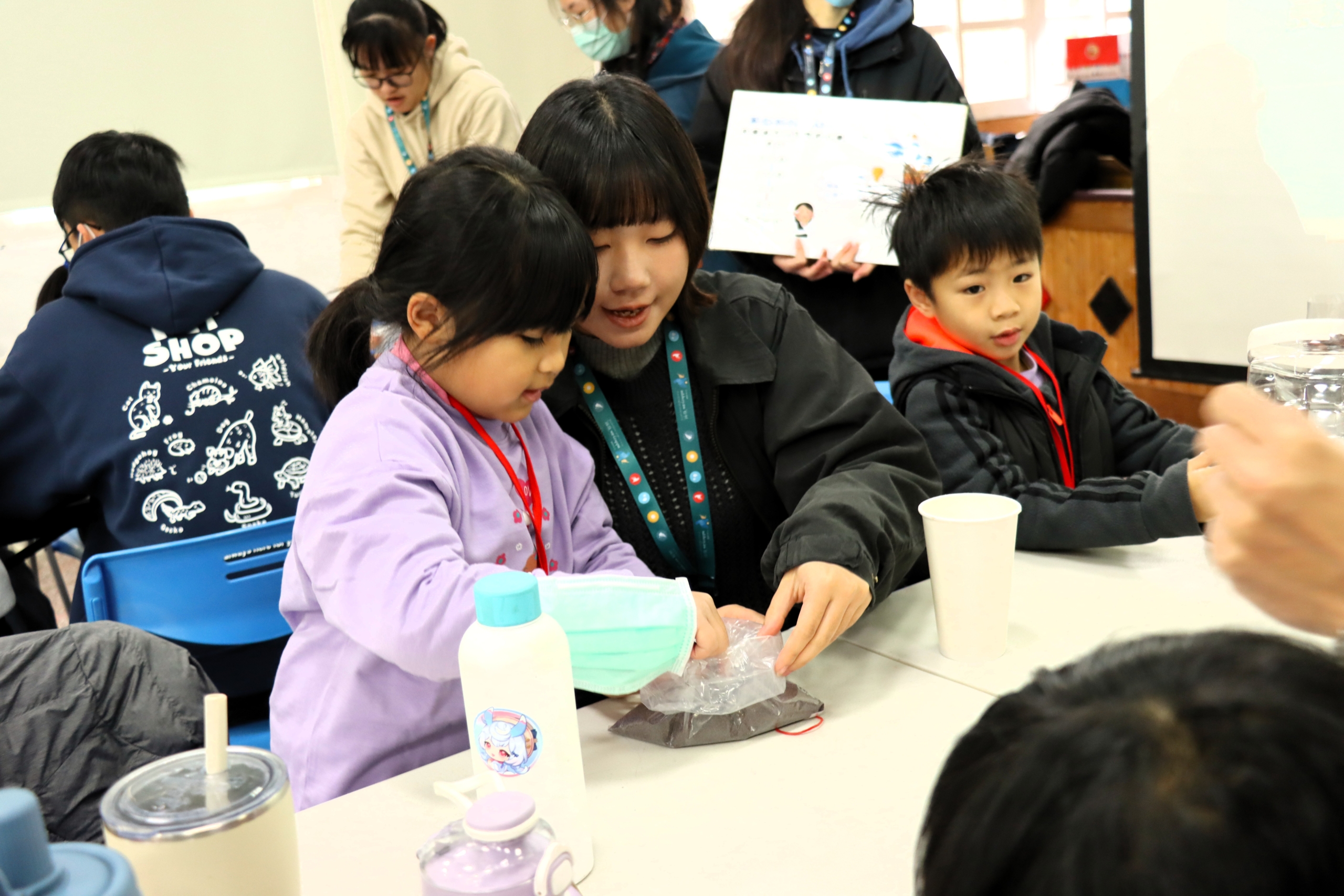
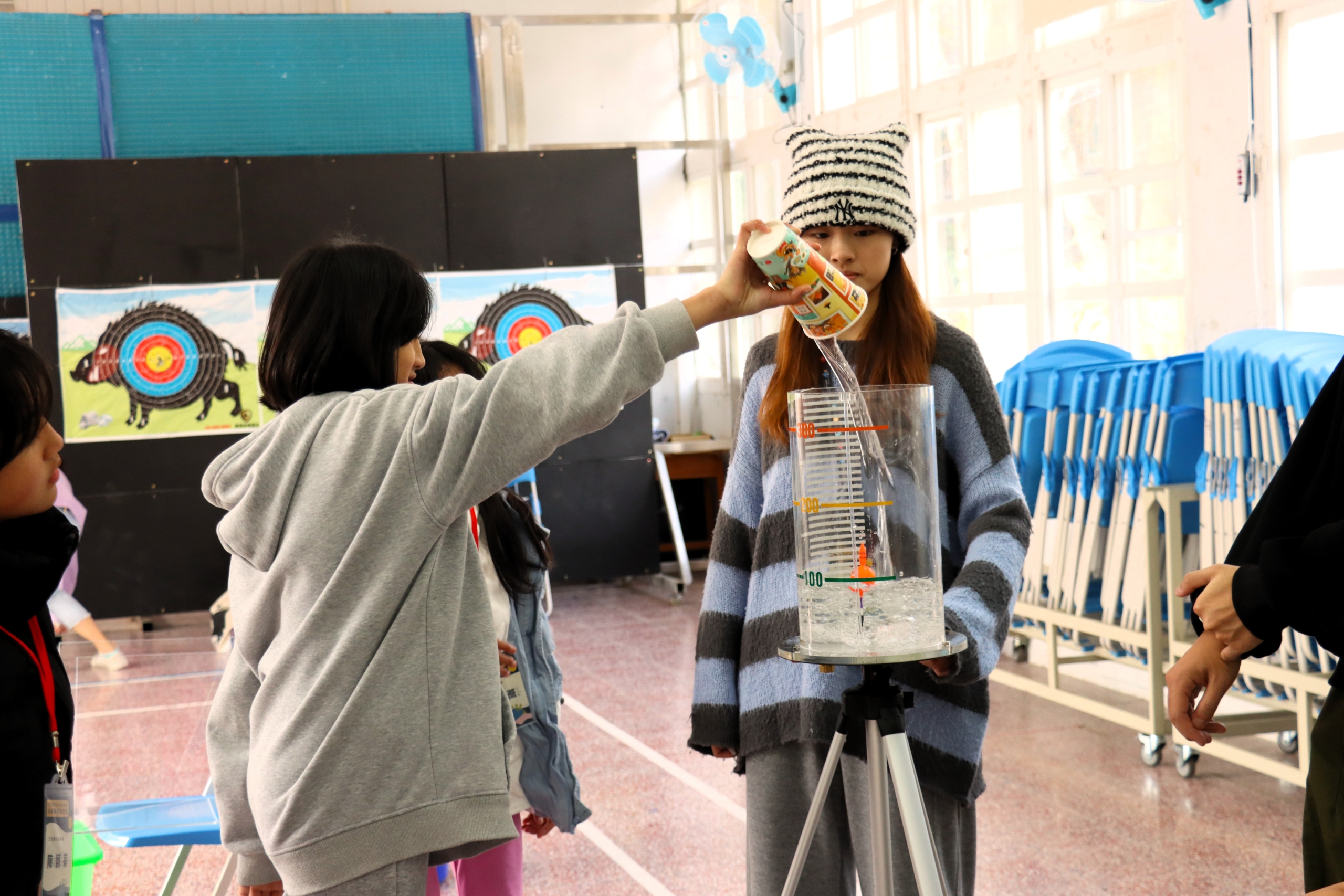
On the second day, we arrived early again, with lessons centered on water resources and environmental protection. The goal was to instill in the children a sense of respect and care for the environment from a young age. I found this lesson plan particularly meaningful: it wasn’t just about completing camp activities, but about giving the children ideas and perspectives they could carry forward. During breaks, we often played with the children on the playground. Watching them make the most of just a few minutes reminded me of my own elementary school days, when I would run and play with abandon, only returning to the classroom as soon as the bell rang. That simple, unfiltered joy is something I now realize is truly precious.
The third and final day of camp focused on the culture of the Atayal people. This was a completely new area for me, and not only the children but also the camp leaders learned a lot of knowledge that we don’t usually get to encounter. Having the opportunity to gain a deeper understanding of Indigenous culture through this camp was a rare and valuable experience. When it was time to say goodbye, I felt a strong sense of reluctance. Camps always pass by quickly, and it would be a long while before we could meet again; some children, after graduation, may never cross paths with us again. Though it was sad, I was deeply grateful to have spent this time accompanying their growth, and I hope that if I return in the future, they will still remember us.
For me, returning to Sangguang Elementary wasn’t just about “participating in a camp” again—it felt more like a chance to reaffirm myself. I realized just how much I treasure the time spent with the children, and how much I enjoy the simple feeling of being there for them, of being needed. Even though life inevitably returns to its own rhythm after the camp ends, I believe the memories we created together will hold a special place in both the children’s hearts and my own. I hope to return one day, and I wish for these children, as they continue to grow, to carry the joy and lessons from these few days with them, moving forward courageously.
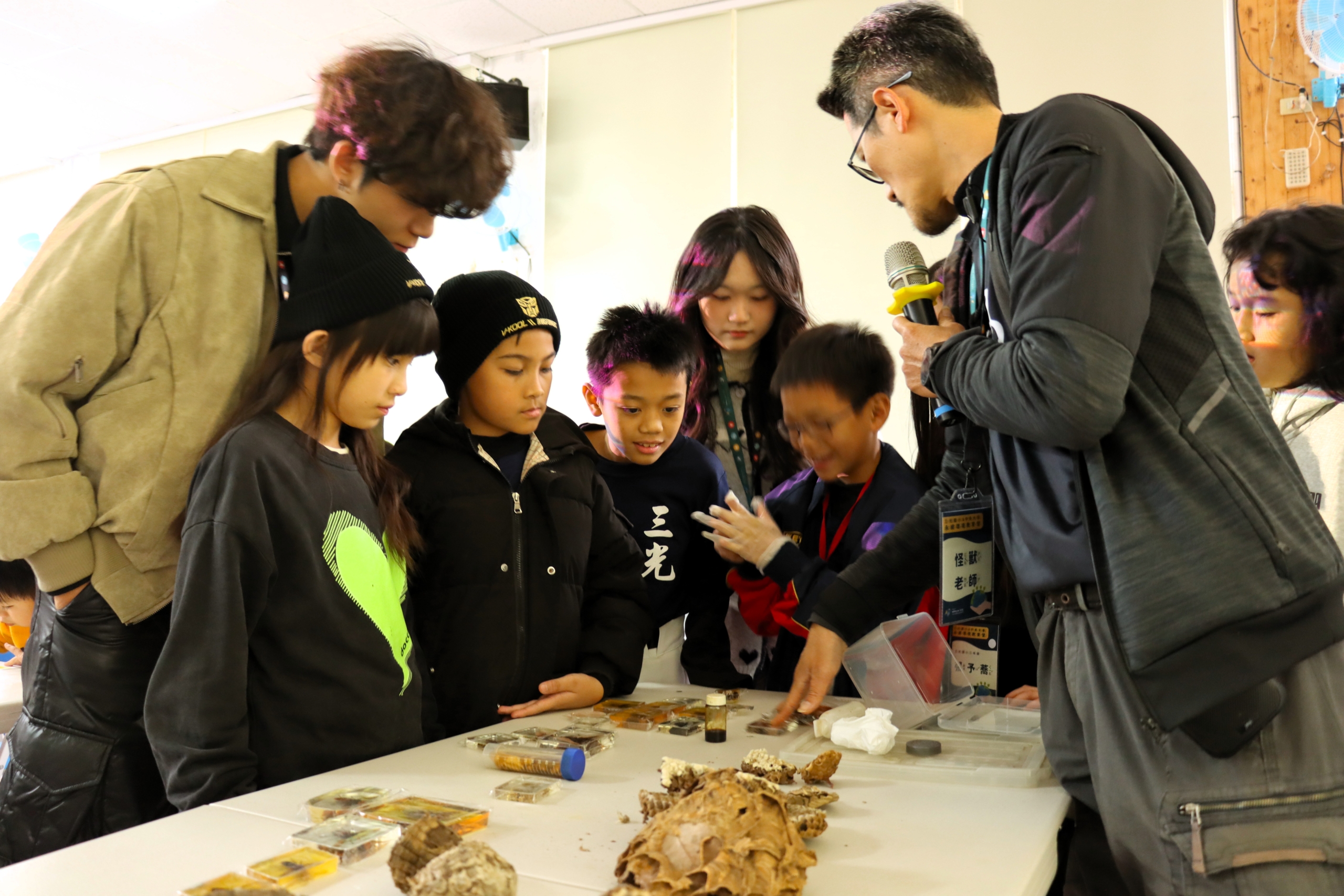
Written by Li, Yu-Chen
Edited by Li, Ruo-Chia
Photos by Li, Ruo-Chia
This was my third time returning to Sangguang Elementary School to serve as a camp leader. Compared to my previous two experiences, this visit carried a deeper, more personal meaning. Stepping into the familiar campus for the third time, I no longer approached the camp simply with the mindset of “just getting the activities done.” Instead, I carried a greater sense of responsibility and self-expectation, reflecting more thoughtfully on the role I played in the camp.
The first time I came to Sangguang Elementary, I felt both nervous and unfamiliar with the role of a camp leader. My attention was mostly focused on following the schedule correctly and ensuring each activity went smoothly—I was primarily trying not to make mistakes. By the second time, I had grown accustomed to the rhythm of the camp and felt more confident initiating interactions with the children, finding my own ways to connect with them. By the third time, I realized that my biggest change was shifting my focus to the children’s reactions and the overall atmosphere, rather than merely completing tasks.
Leading the children in practice deepened my understanding of what it means to be a camp leader: we are not just companions, but also guides and sources of stability. During activities, children naturally experience emotional fluctuations, lose focus, or resist rules. In the past, I might have rushed to correct them, but this time, I learned to observe first, listen carefully, and respond in ways that suited the situation. By slowing down and approaching them with understanding rather than criticism, the children became more cooperative and trust developed more naturally.
This third experience also made me more aware of the importance of teamwork. The smooth operation of the camp does not rely on any single leader, but on mutual coordination and shared responsibility. This time, I proactively assisted my fellow leaders—whether in preparing activities, handling unexpected situations on site, or participating in post-activity reviews and discussions. By taking on more responsibility, I experienced firsthand the sense of security and accomplishment that comes from being a dependable team member.
Returning to Sangguang Elementary for the third time also allowed me to reflect on my own growth. From the initial awkwardness and unease to now being able to handle various situations more steadily, I could clearly see improvements in my communication skills, emotional management, and sense of responsibility. These lessons extend beyond the camp itself and will influence my approach to learning and life in general. For me, participating in the Sangguang Elementary camp three times is not simply repetition; it is a layered journey of learning. Each time I return, I gain a clearer understanding of how I can contribute to others and strengthen my willingness to give more to the team and the children. This experience has become a solid foundation that I can rely on when facing future challenges.
Written by Sun, Yi-Xin
Edited by Li, Ruo-Chia
Photos by Li, Ruo-Chia
Stepping into Fuxing District, I was immediately greeted by a landscape entirely different from the city. Surrounded by mountains, the air felt exceptionally fresh. The first time I entered Sangguang Elementary School, winter sunlight poured across the campus, and the children, wearing bright smiles, enthusiastically waved and greeted us. In that instant, I felt a warmth and kindness rarely encountered in urban schools.
During the three-day camp, I served as a camp leader for the middle grades, accompanying the children in class and participating in various activities. As it was my first time in this role, I naturally worried about whether I could properly care for the children’s emotions and needs. However, as the program unfolded, I discovered that the children were far more energetic and friendly than I had imagined. Their innocent smiles were infectious, gradually drawing me into their world. Every time the recess bell rang, they would rush toward the playground, grabbing my hand and saying, “Come play with me!” Watching them run, toss balls, and play freely on the playground felt like observing a living painting, quietly in motion.
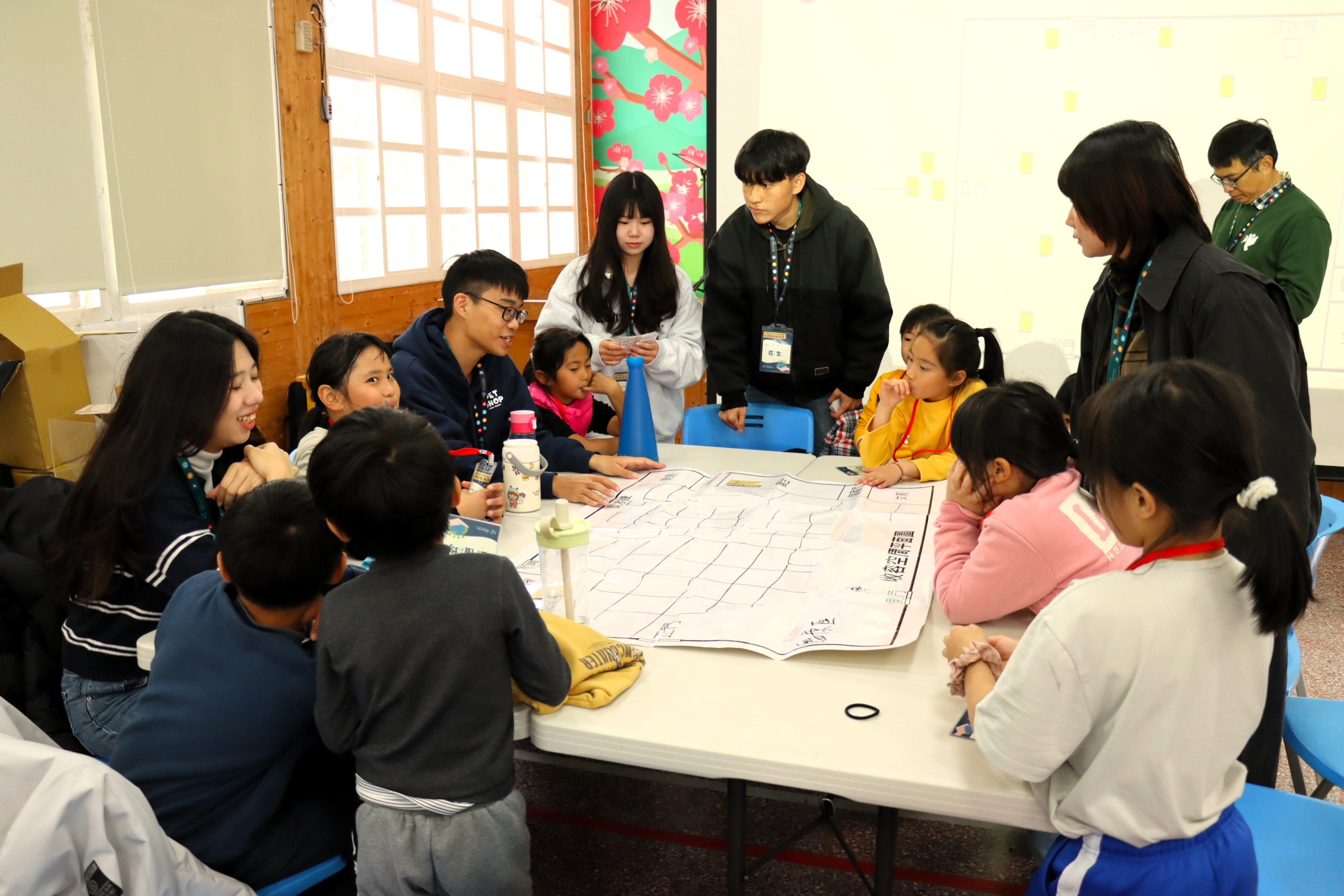
One lesson that left a particularly strong impression was on Atayal culture. The teacher began with a cheerful “Lokah su’ ga?” and the children’s lively responses instantly filled the classroom with energy. The lesson introduced Atayal plants and traditional culture—knowledge that, for me, mostly existed in textbooks and was hard to fully experience. Yet for the children, it was simply everyday life. They had grown up alongside the streams and lands shown in the slides and had tasted the Atayal dishes we considered unique delicacies. What felt extraordinary to us was ordinary for them.
Bathed in sunlight, the children seemed to absorb vitality, and their lively personalities naturally shone through when answering questions in class. Regardless of whether they knew the correct answer, they expressed their thoughts confidently. Their courage and ease are qualities I aspire to and am still learning to cultivate. I deeply admired their boundless curiosity and proactive learning attitude. This pure, sincere expression of emotion might be one of the most beautiful things unique to children in the mountains.
Time passed swiftly, and the three-day camp became a memory, yet the children’s smiles and innocence remain etched in my heart. Before leaving, one child asked, “Brother, will you come again?” At that moment, I didn’t know how to respond. Our time together was short—not too long, not too brief—but I could only do my best to nurture these seeds of hope and accompany them as they slowly grow.
This experience at Sangguang Elementary not only allowed me to gain valuable practical experience but also offered a new perspective on parts of society that are often overlooked. I hope that in the future I can continue to serve with action, allowing even the smallest gestures of kindness to quietly spread and take root in more places.
Written by Ye, Wen-Chen
Edited by Li, Ruo-Chia
Photos by Li, Ruo-Chia
This was my first time formally participating in the Sustainability and Environment Camp, and compared to my previous experience as a one-day student journalist, it brought a completely different set of feelings. Being able to interact with the students up close was a very different experience from merely participating as a photographer. On the first day of the camp, the principal of Sangguang Elementary School said in her opening remarks, “Please call the older brothers and sisters next to you ‘teacher.’” This caught me off guard for a moment. In the past, when leading camps in high school, I was usually just called “Brother So-and-so,” but this time, it felt as if an extra layer of responsibility had been placed on my shoulders.
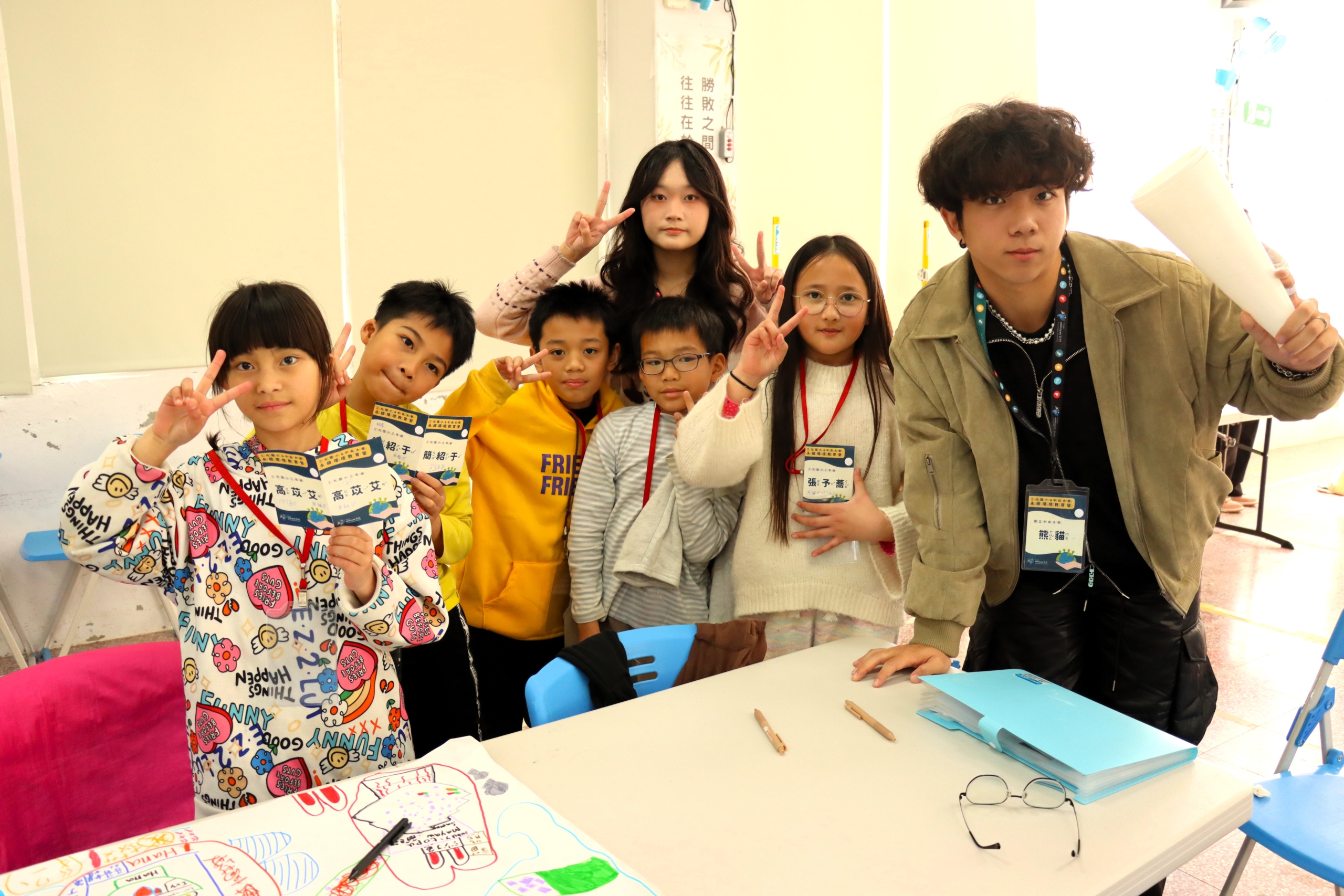
People often say that anyone can be a teacher to someone else, but hearing the principal’s words made me reflect on whether I truly had the qualities to be a role model, to set an example for the children. Carrying this uncertainty, I spent the next three days of the camp doing my best to share knowledge and joy with the students. Even at the end, I couldn’t be sure whether I had truly been considered a teacher in their eyes. Yet one thing I am certain of is that I learned a great deal from these four little teachers.
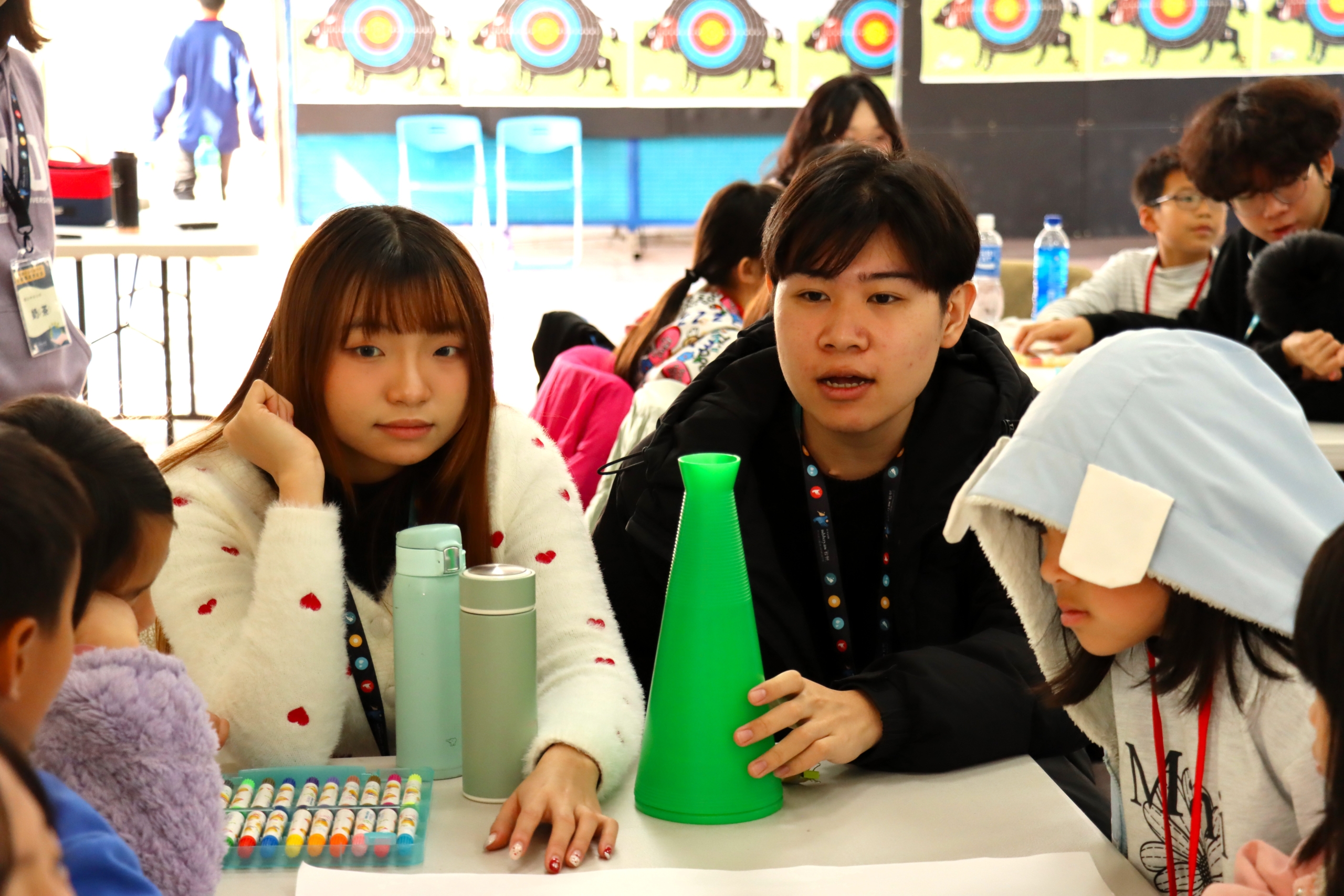
The children’s innocence and curiosity were fully on display through these four students. Their boundless energy and endless questions often left me momentarily unsure how to respond. During recess, I had to run with them on the playground, only to return to the classroom and help them regain focus, bringing their attention back to the lesson—a shift that was both unavoidable and heart-wrenching. Young children have limited attention spans and can easily get distracted, whether by chatting with friends or by materials waiting to be used on their desks, making it hard to know exactly how much knowledge they actually absorb.
But then I reminded myself that this is perfectly okay. Children at this age should grow freely and cultivate their curiosity about the world. As for more structured knowledge, as long as they grasp the basics now, they can explore in depth once they develop an interest. Their minds often drifted along with the Sangguang Creek, yet thanks to the instructors guiding them from the front, I, a rookie, was spared from total chaos. Walking around the campus, the children always approached me, eager to interact and greet me—a reminder of the very reason I first joined the camp, in its purest and simplest form.
A teacher of the social engagement course once said, “When leading a camp, it is often the assistants who learn the most.” Over these three days, I experienced this truth firsthand. While the children let their imaginations run wild, I found myself quietly enjoying the process of learning new things: understanding natural disasters and disaster prevention, learning about different species of hornets, exploring stream ecosystems, and even learning a few phrases in the Atayal language from Teacher Sinsiy. These were all fascinating things I rarely encounter in everyday life.
Watching the instructors passionately share knowledge from the stage, I quietly hoped that one day I could stand up there too, sharing the things I love and find interesting with students. Thinking of this made me even more grateful for the opportunity to participate in the USR program—it is truly fortunate to have the resources to carry out meaningful and important actions, leaving one with a sense of fulfillment and purpose. Until the next time we meet, I hope the children continue to grow happily, and I look forward to the day when we can once again be each other’s teachers.
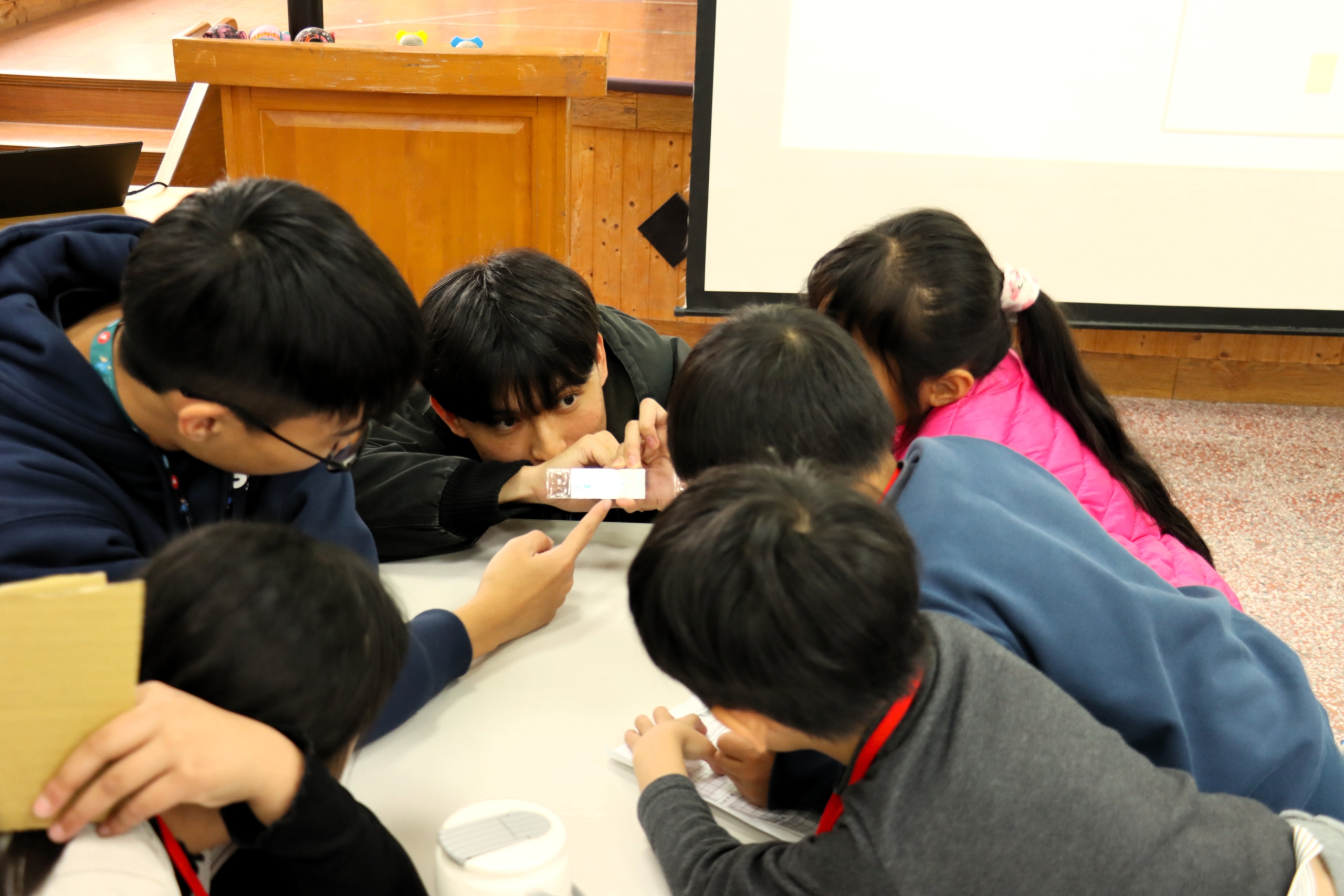
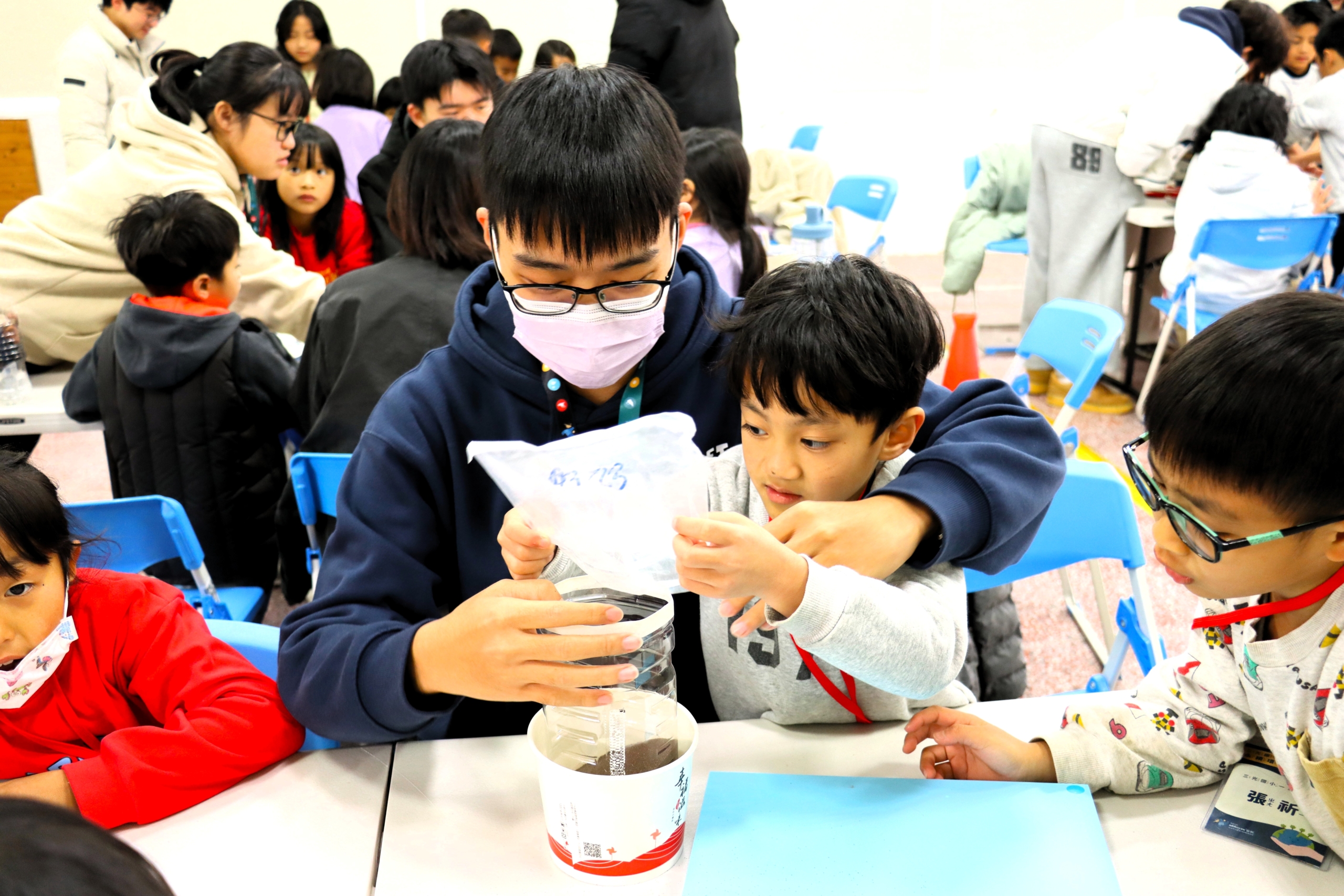
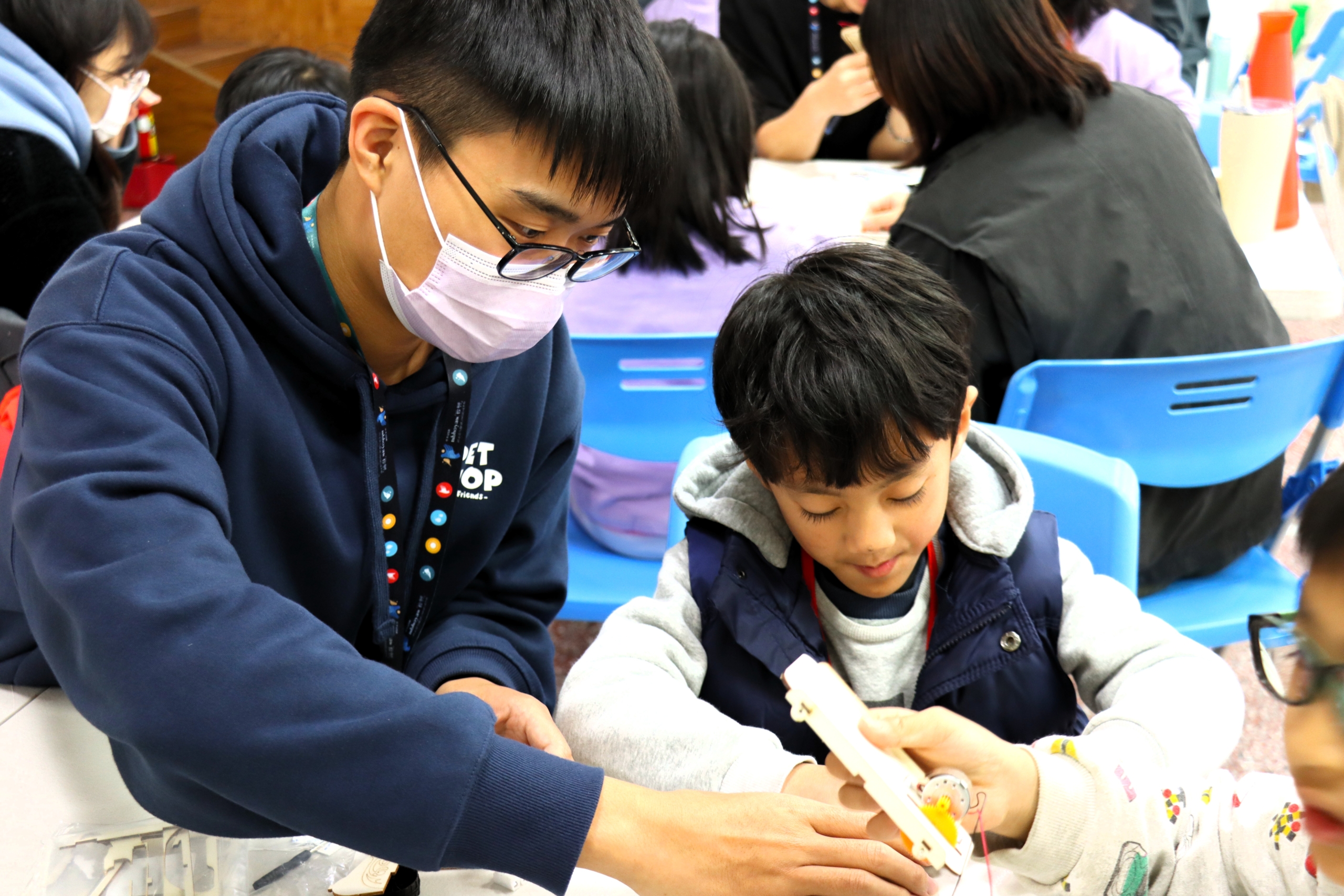
Written by Su, Qi-Xian
Edited by Li, Ruo-Chia
Photos by Li, Ruo-Chia
During the winter break, I returned to Sangguang Elementary School in Fuxing District, Taoyuan City, marking my second time participating in this camp. The journey up the mountains was still winding and bumpy, passing over gray-green hills occasionally dotted with splashes of red and yellow. As I stepped onto the campus once again, what greeted me were the children’s slightly nervous yet radiant smiles and their excited greetings. In that instant, memories from my previous visit came flooding back, and I couldn’t help but smile.
Over the nearly three days of the camp, even the younger students, who sometimes struggled to fully understand the lessons or articulate their thoughts, threw themselves wholeheartedly into the activities. Whether responding loudly to the instructors’ questions, using gestures to express themselves, or quietly reading the phonetic symbols on the slides, they never gave up, even when faced with challenges. The children explore the world with the purest of hearts. For this reason, guiding them patiently became the most frequent practice in my interactions with them. When they completed a task and joyfully exclaimed, “You really are my teacher!” I was once again deeply moved by their innocence.
In those brief days, I witnessed countless heartwarming moments: their focused yet nervous expressions during games, quietly running up to me during a quiz to check the correct answer, calling out “Teacher!” or “Beigou!” at the top of their voices; tugging at my sleeve to rush to the playground during recess, or offering me fruit they had brought. Even during breaks or at the end of the day, children who weren’t in my group would still greet me warmly and chat with me. All of this came from their unreserved enthusiasm—they welcomed us wholeheartedly into their world, offering genuine affection that didn’t depend on the length of time we spent together. No matter how many times I participate, this pure sincerity always remains the part I am most grateful for and most deeply moved by.
When the camp ended and I returned to the city, I knew that a part of my heart would always stay at Sangguang Elementary School—in the sunlit schoolyard, in the laughter and smiles of the children on the playground.
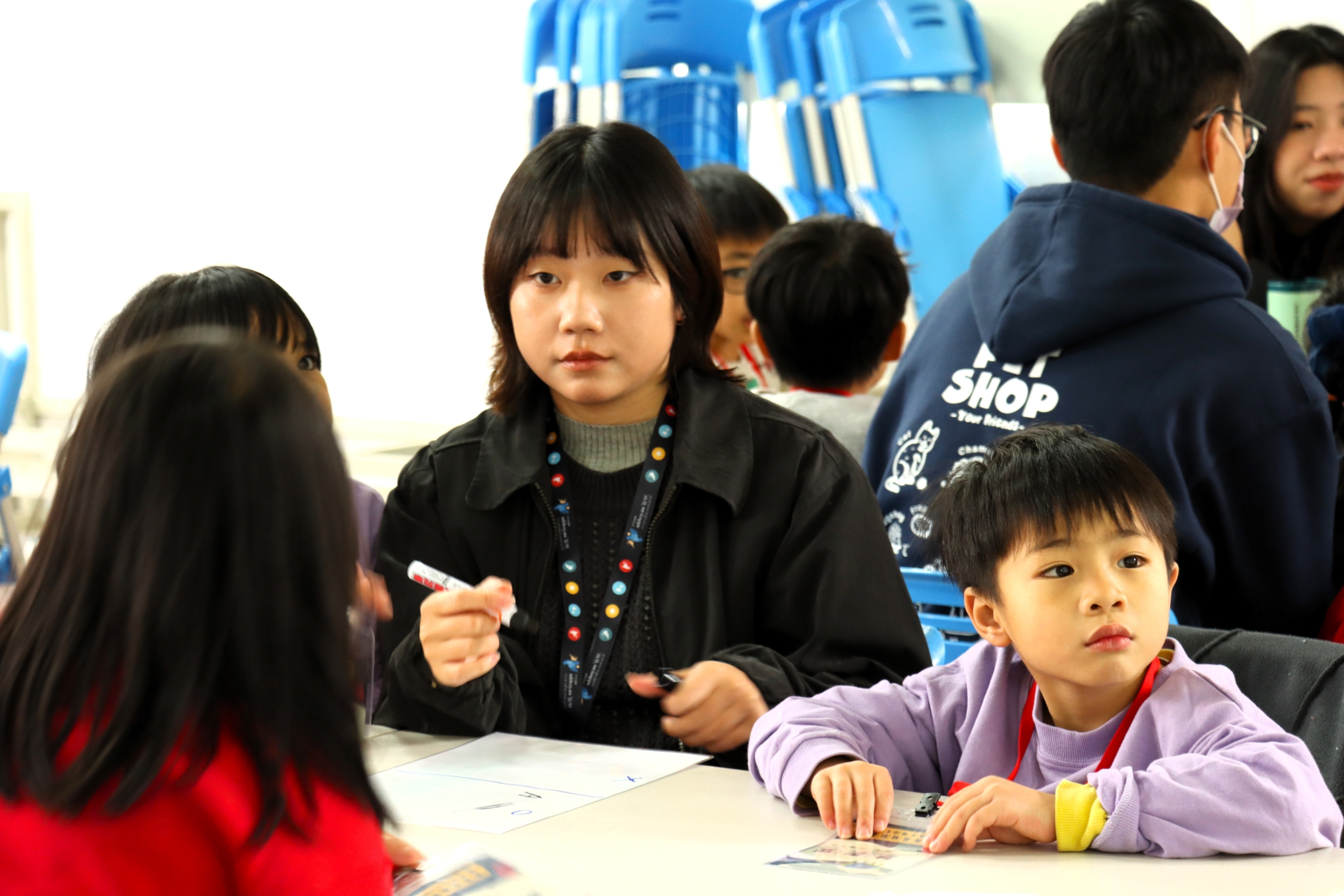
Written by Lai, Qing-Hui
Edited by Li, Ruo-Chia
Photos by Li, Ruo-Chia
During the winter break, I participated as a counselor in the “Sustainable Environmental Education Camp,” jointly organized by National Central University and Sangguang Elementary School. The three-day camp took place at Sangguang Elementary, nestled in the mountains of Lala Mountain in Fuxing District, Taoyuan City. This was my first visit to the area, and even the journey up the mountain filled me with curiosity. After about an hour of driving into the mountains, I thought we were nearing our destination, only to find ourselves winding through the serpentine roads for nearly another hour. Gradually, the bustling cityscape faded behind me, replaced by rolling mountain ranges. The stark contrast made me realize that the next three days would undoubtedly be a unique and unforgettable experience.
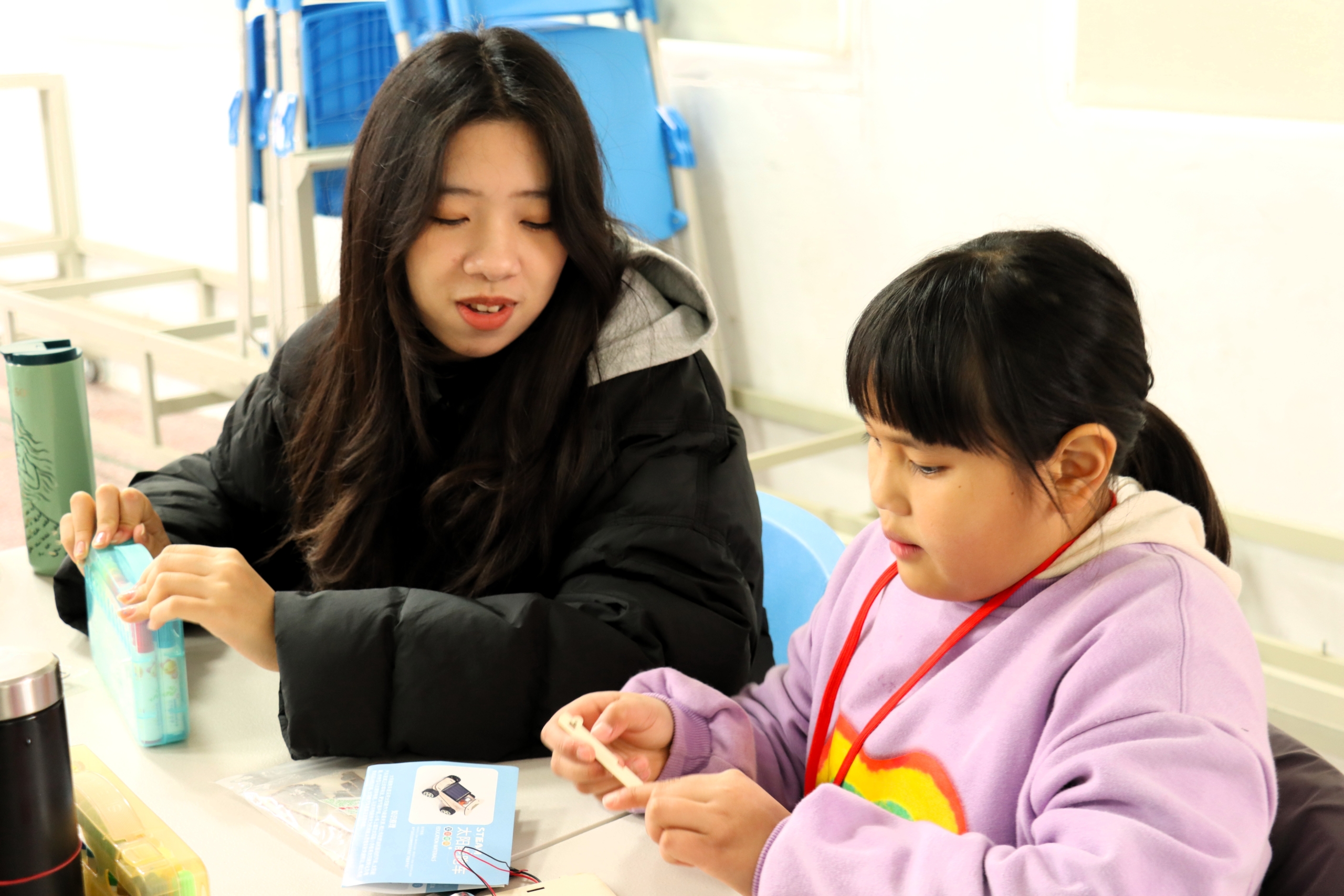
The camp’s curriculum closely connected with the children’s daily environment. On the first day, the focus was on disaster preparedness and animal conservation; the second day covered sustainable environments, energy use, and carbon reduction; and the third day delved into sustainable environmental education with an exploration of Atayal culture. I was assigned to a group of younger elementary students, and having had little prior experience working with young children, I initially wondered how I could guide them. Yet in practice, I found that my role was less like a traditional tutor and more like a companion. Through constant interaction and conversation, I heard perspectives I had never considered before.
I had always assumed that natural hazards such as pest infestations or landslides were distant concerns, far removed from daily life. But for children living in the mountains, these are realities they may face at any moment. Growing up nourished by nature, they also live with its inherent risks. The disaster preparedness and environmental knowledge that once seemed textbook-bound are, for them, essential tools for safeguarding themselves and others.
“Lemon Sister! Lemon Sister!”—the most common sounds over the three days came from the children calling out my nickname. In this relationship that blended teacher and friend, their innocence was strikingly genuine. They asked naive questions and shared real-life experiences, allowing me to deeply understand how meaningful these lessons are for them. Throughout the process of guiding them, I not only learned a great deal, admired the natural beauty of the mountains, and felt the purity of their hearts, but also gained a better understanding of the challenges they face. For these children, sustainable environmental education is not just a class—it is an important life lesson. Watching them gradually understand the environment they live in and return home with a sense of accomplishment and fulfillment was the most joyful and moving part of the camp for me.
Written by Zeng, Chang-Hong
Edited by Li, Ruo-Chia
Photos by Li, Ruo-Chia
This was my first time serving as a counselor at Sangguang Elementary School in Fuxing District, and the experience felt both fresh and full of anticipation. Along the way, the scenery gradually shifted from the urban landscape to the mountains, and as natural views unfolded before my eyes, my mood slowly relaxed, while excitement for the upcoming activities built up. I found myself imagining the children I was about to meet, looking forward to learning, playing, and interacting with them. My heart was light with joy, and I hoped to create lasting memories during this journey.
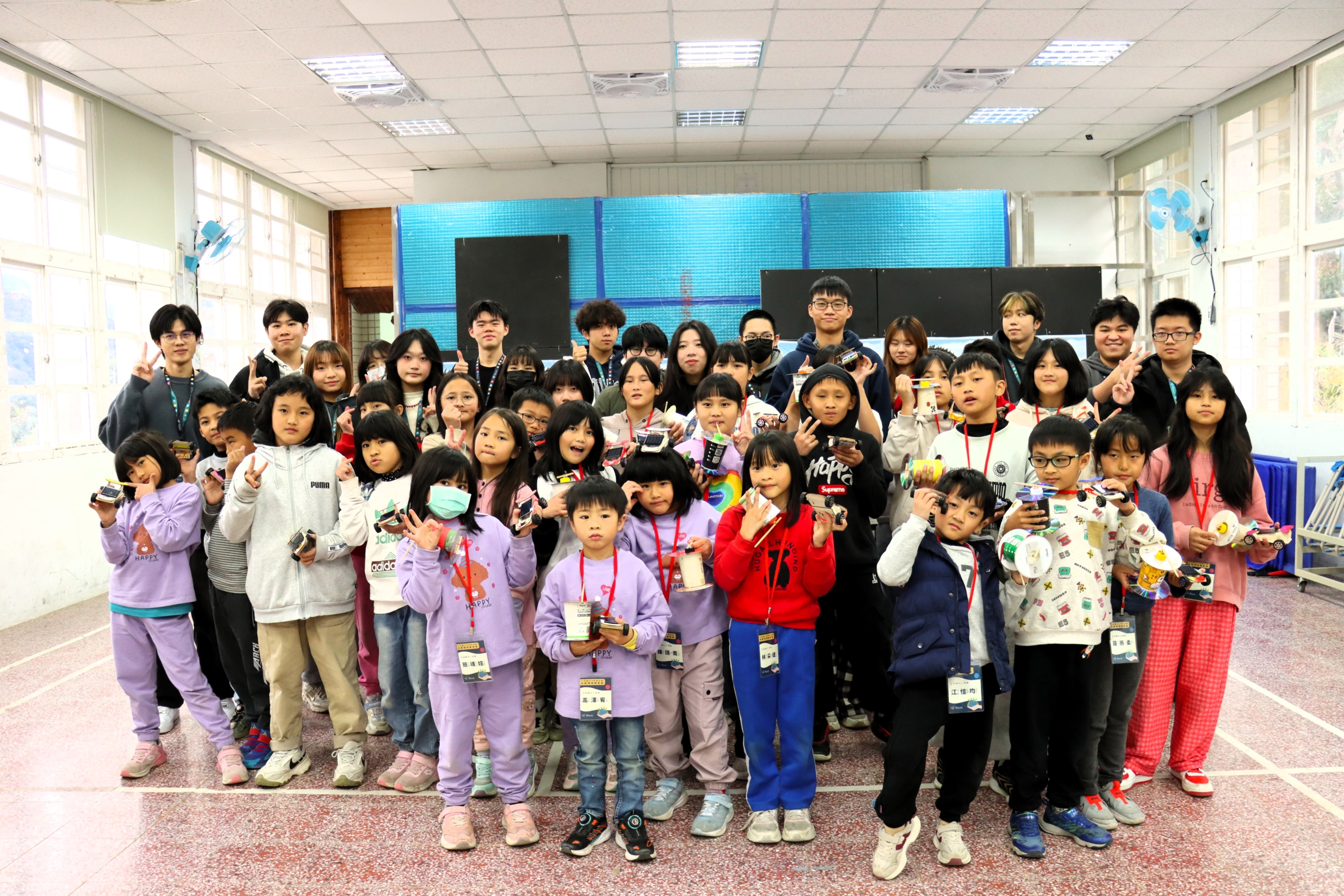
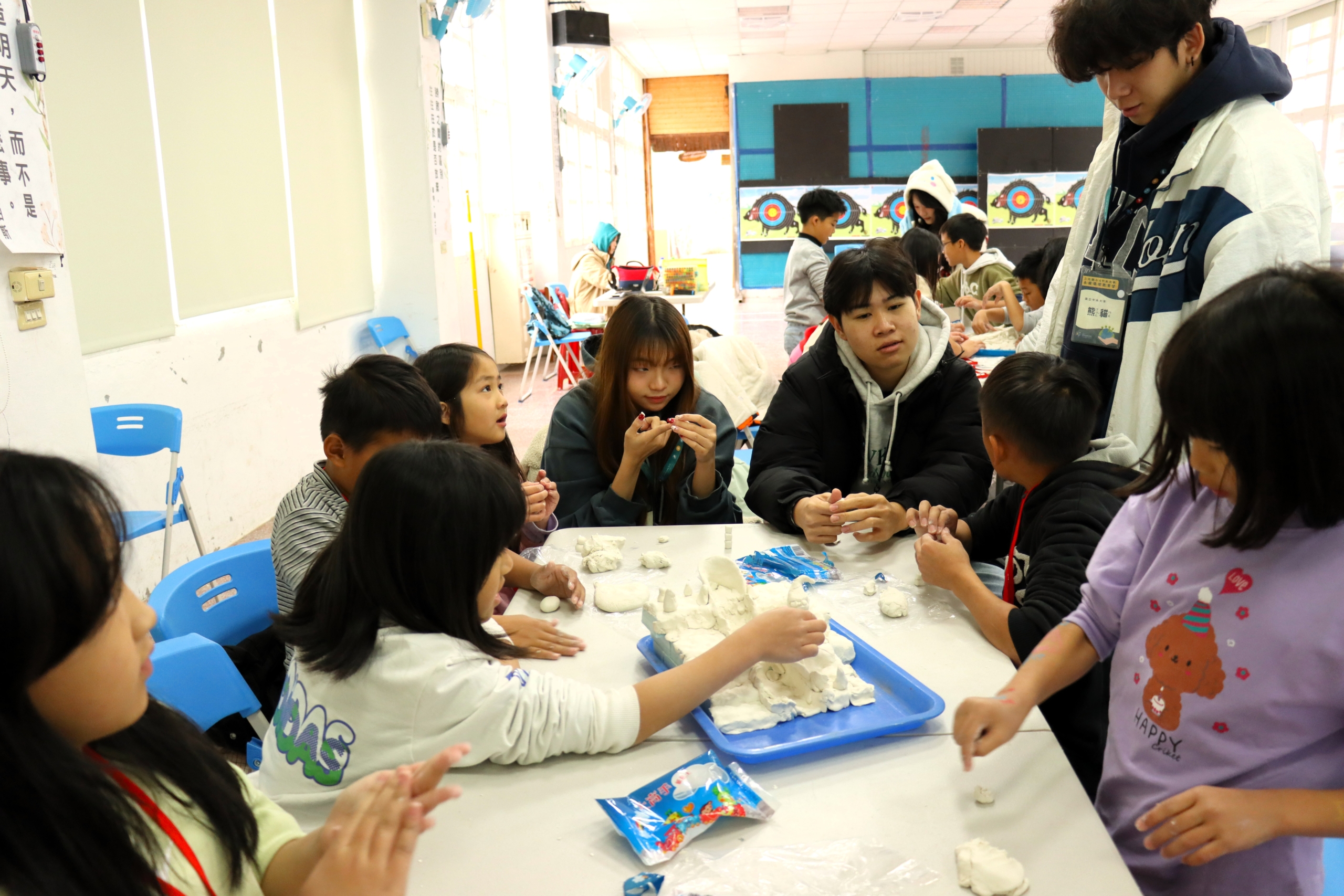
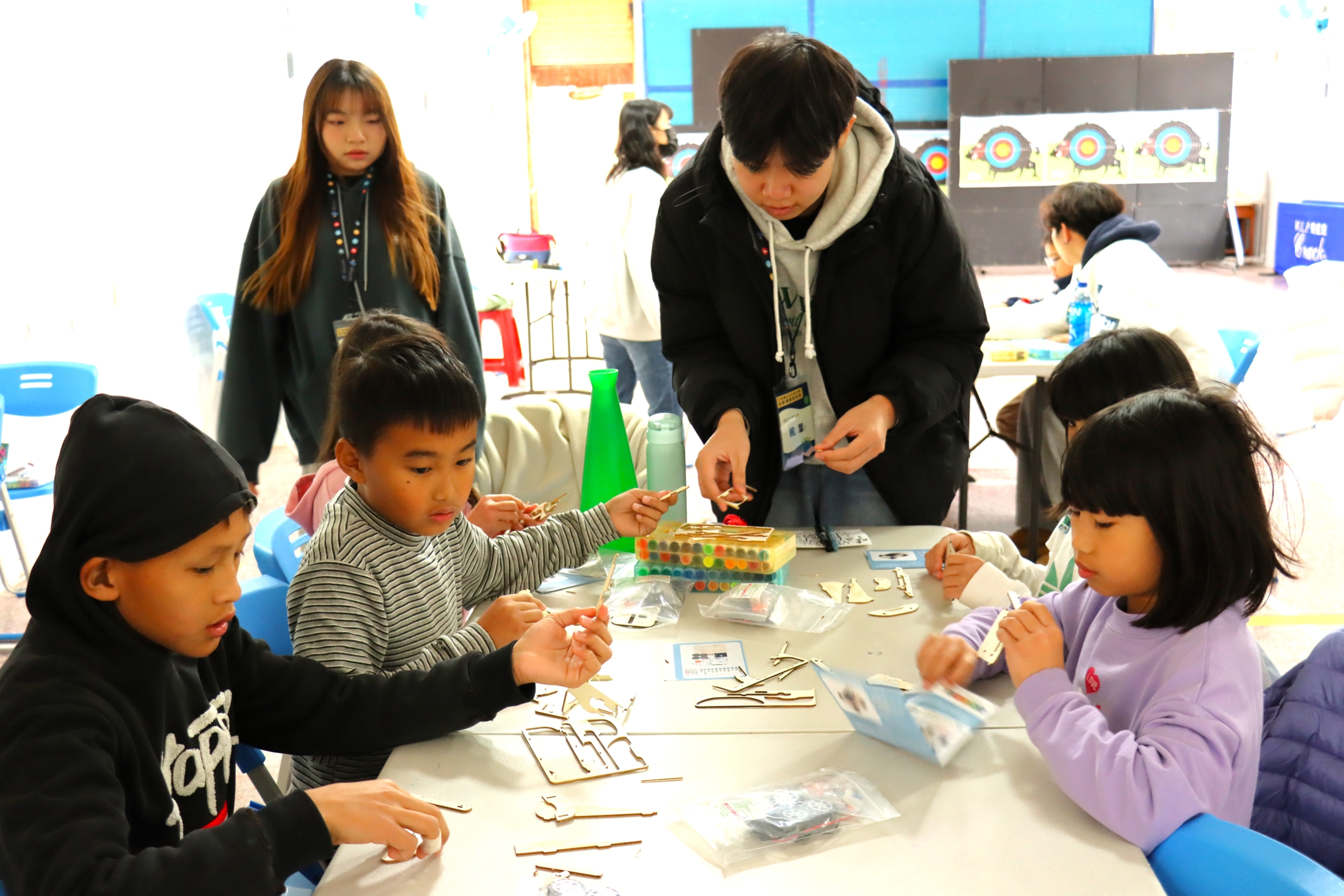
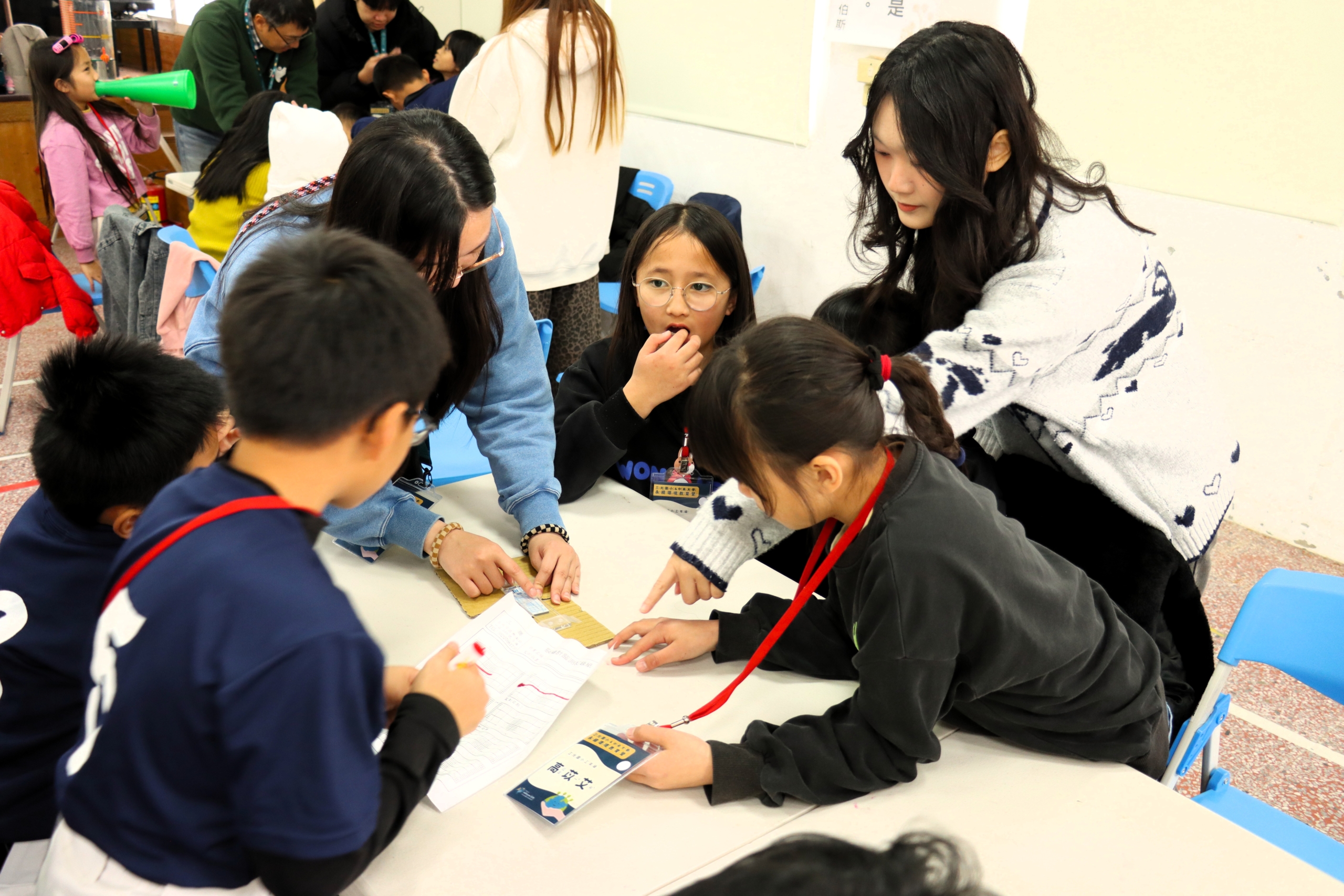
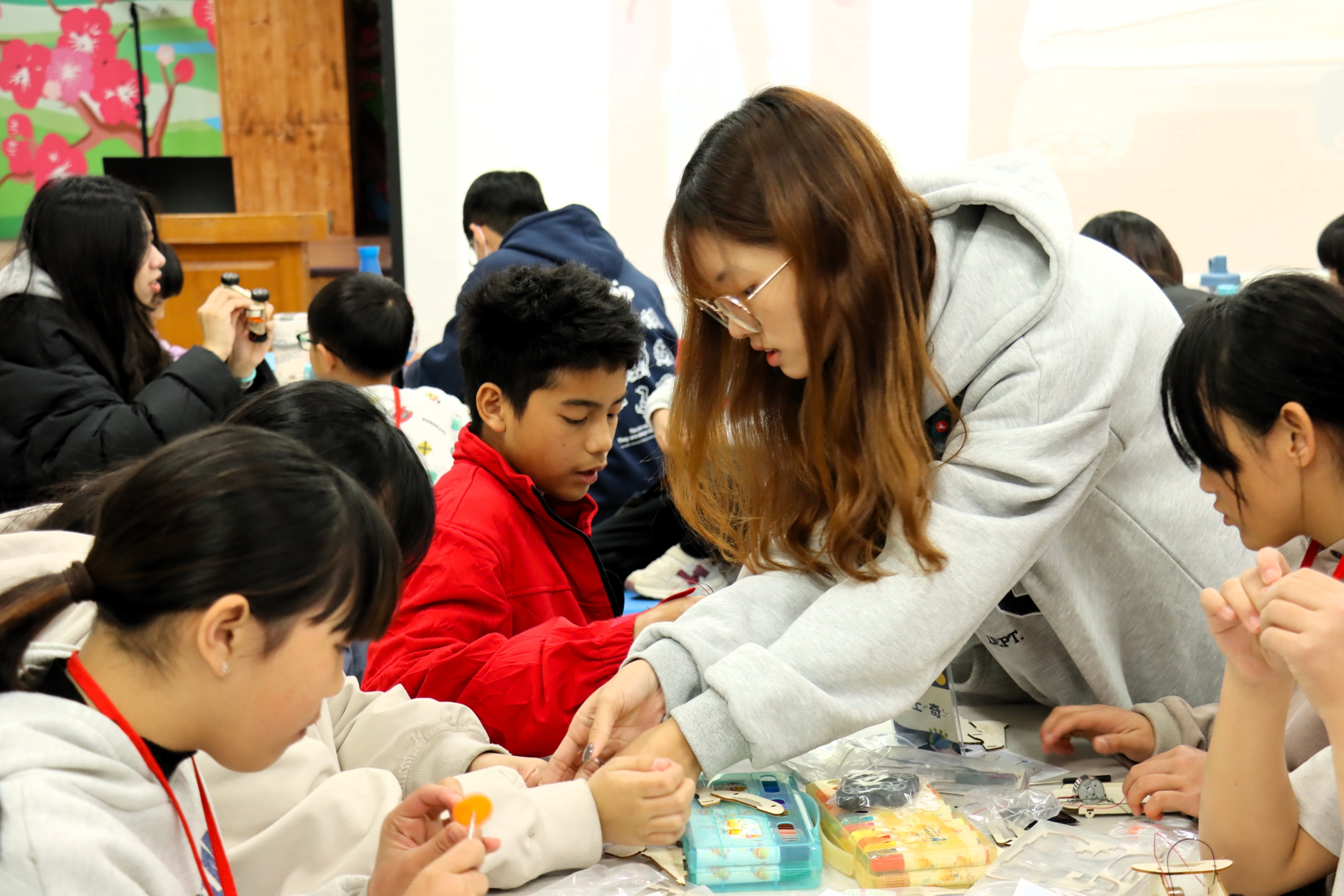
The camp’s curriculum was rich and diverse, covering disaster preparedness, learning about bees, the lifecycle of water, DIY crafts, and courses on Atayal culture. Through these varied topics, the children not only acquired practical knowledge for daily life but also developed observation skills and hands-on abilities through interactive activities. Lessons combined explanations with practical exercises, transforming learning from passive listening into active participation, making the overall experience lively and engaging.
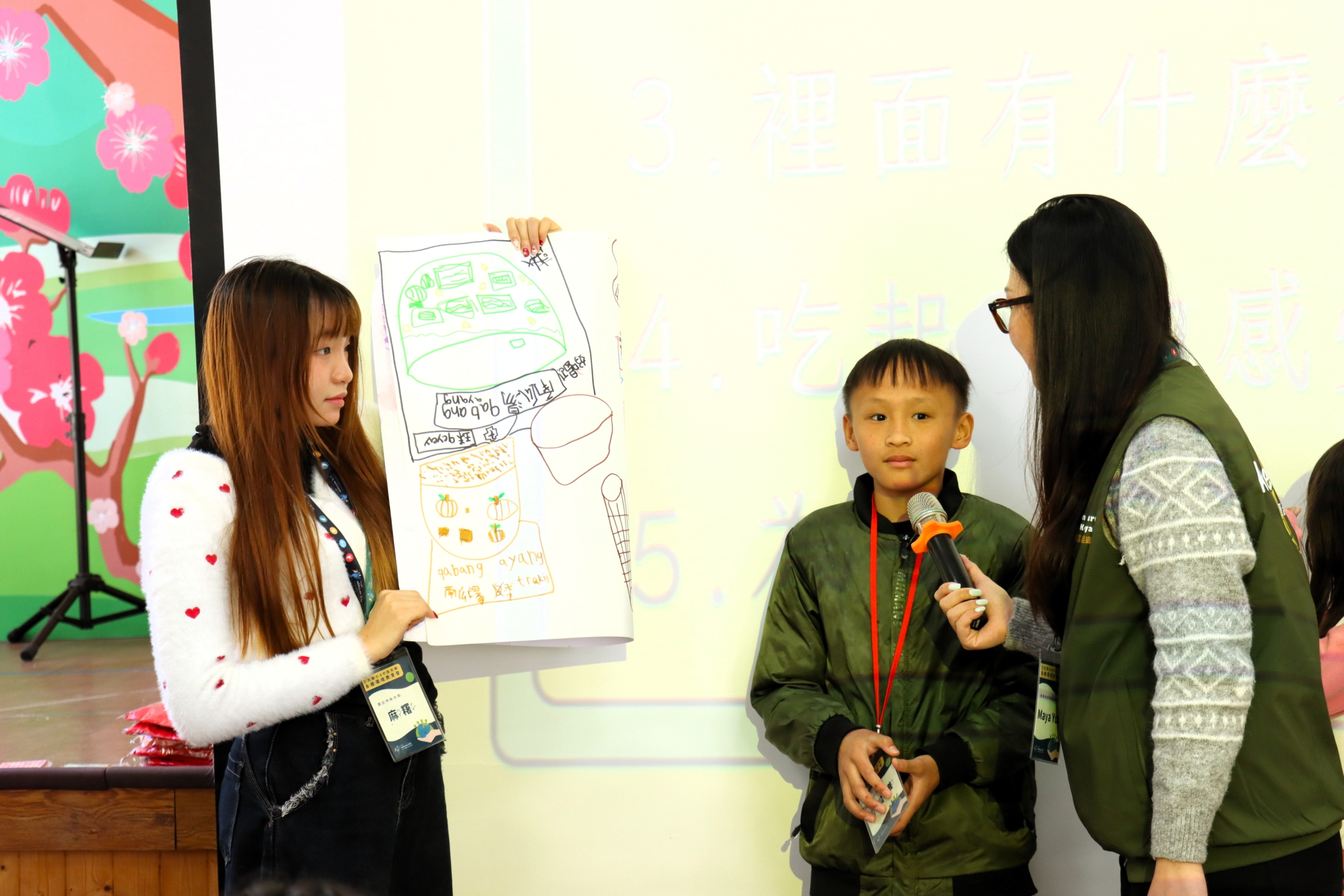
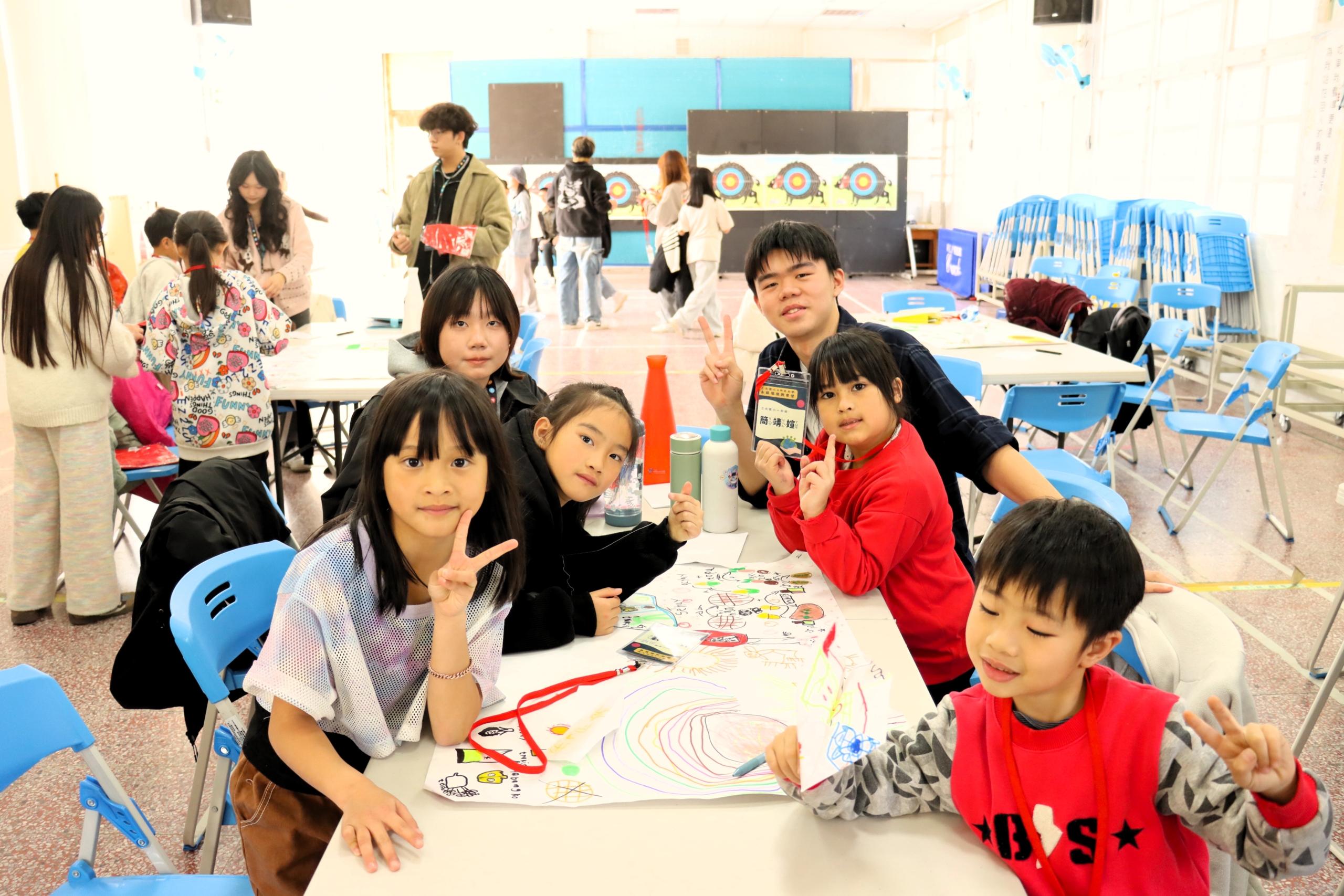
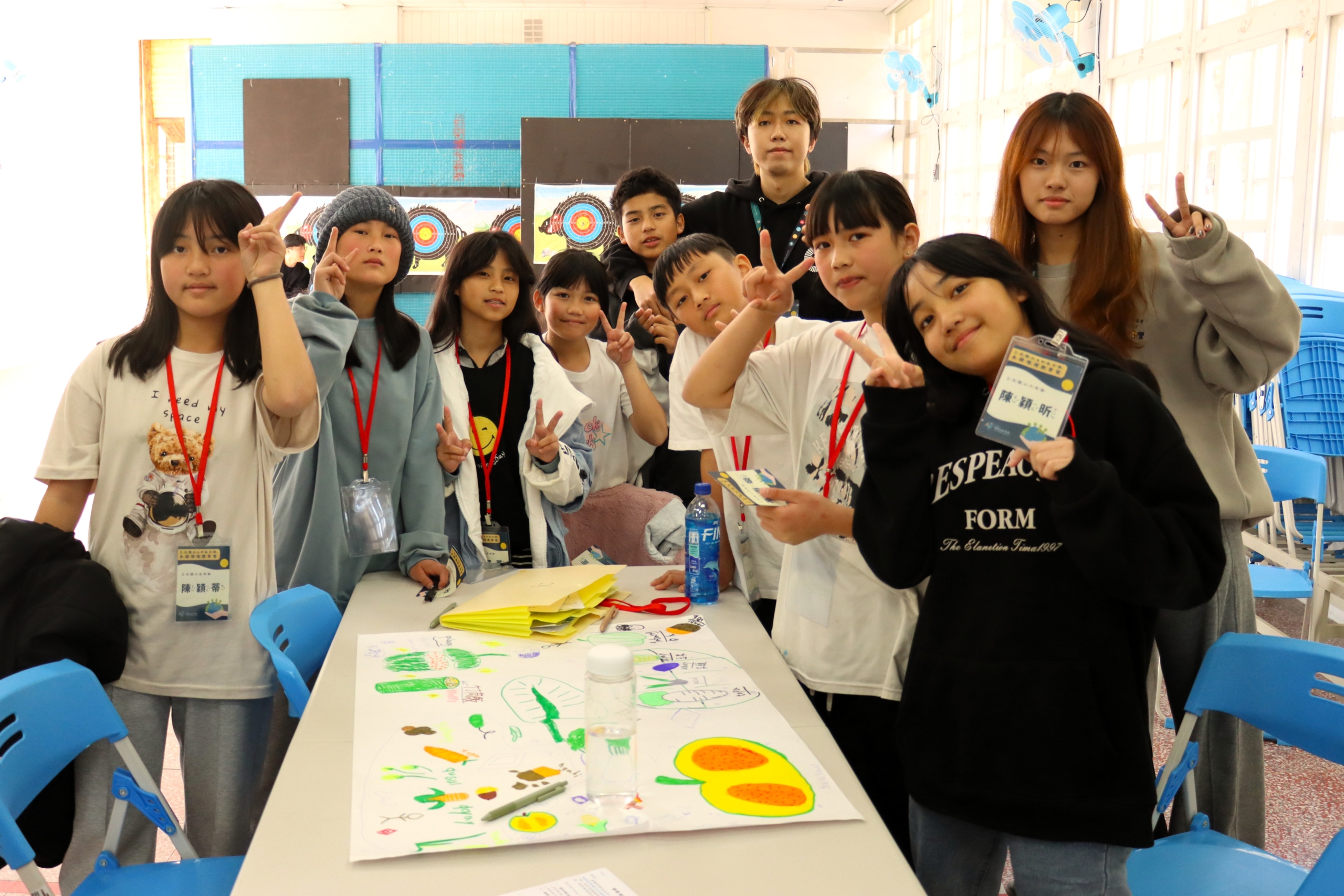
What impressed me most was the Atayal culture course. Since Fuxing District is an indigenous area, many of the children are Atayal, and they were highly focused and engaged during class. The teacher introduced numerous plants related to nature and guided the children through reading materials in the Atayal language, teaching us the Atayal names for various plants—for example, pumpkin is qabang and bamboo is ruma. Later, the children were invited to draw their own creative dishes on posters. The activity was full of imagination, allowing the children to connect culture with daily life in a fun and meaningful way.
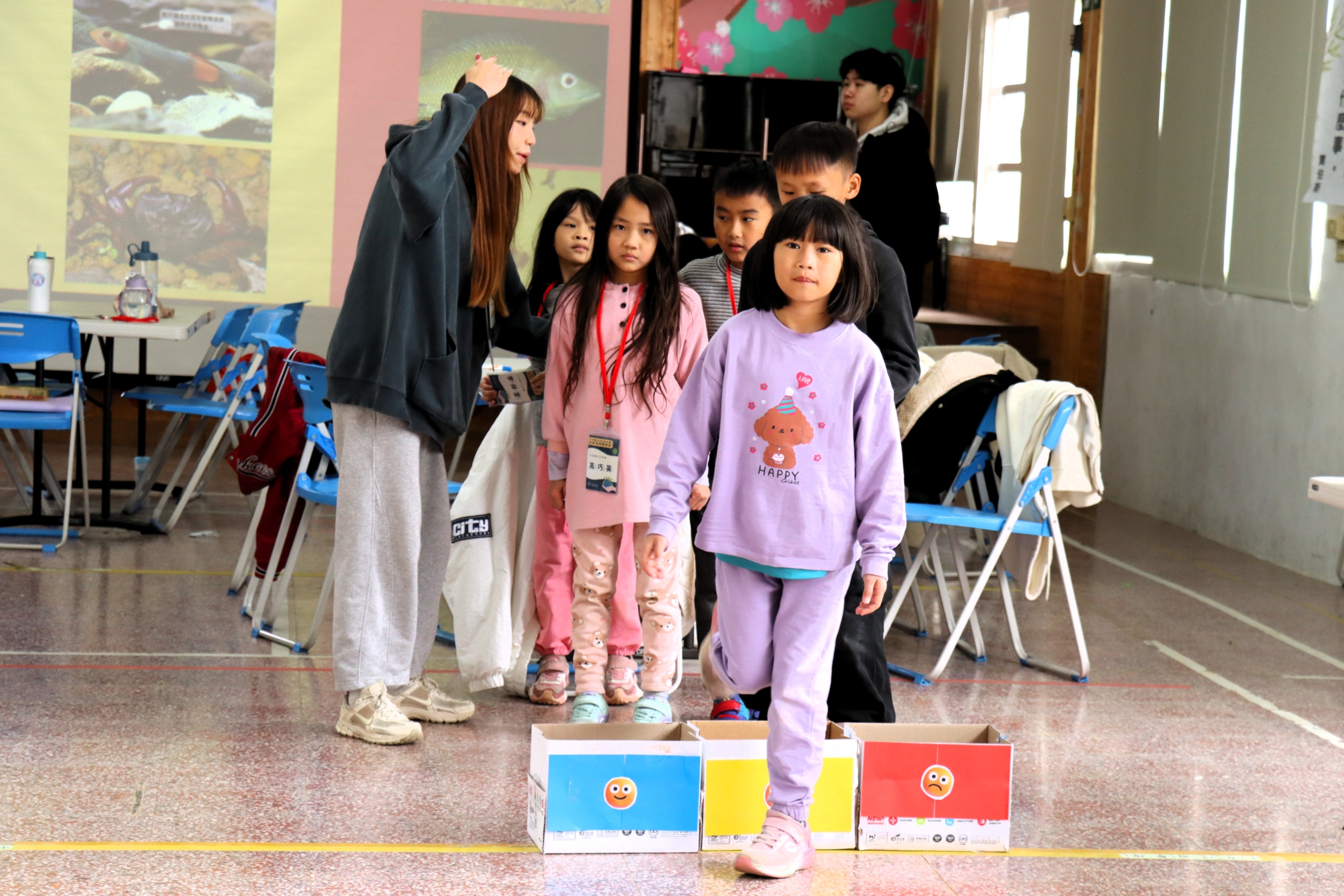
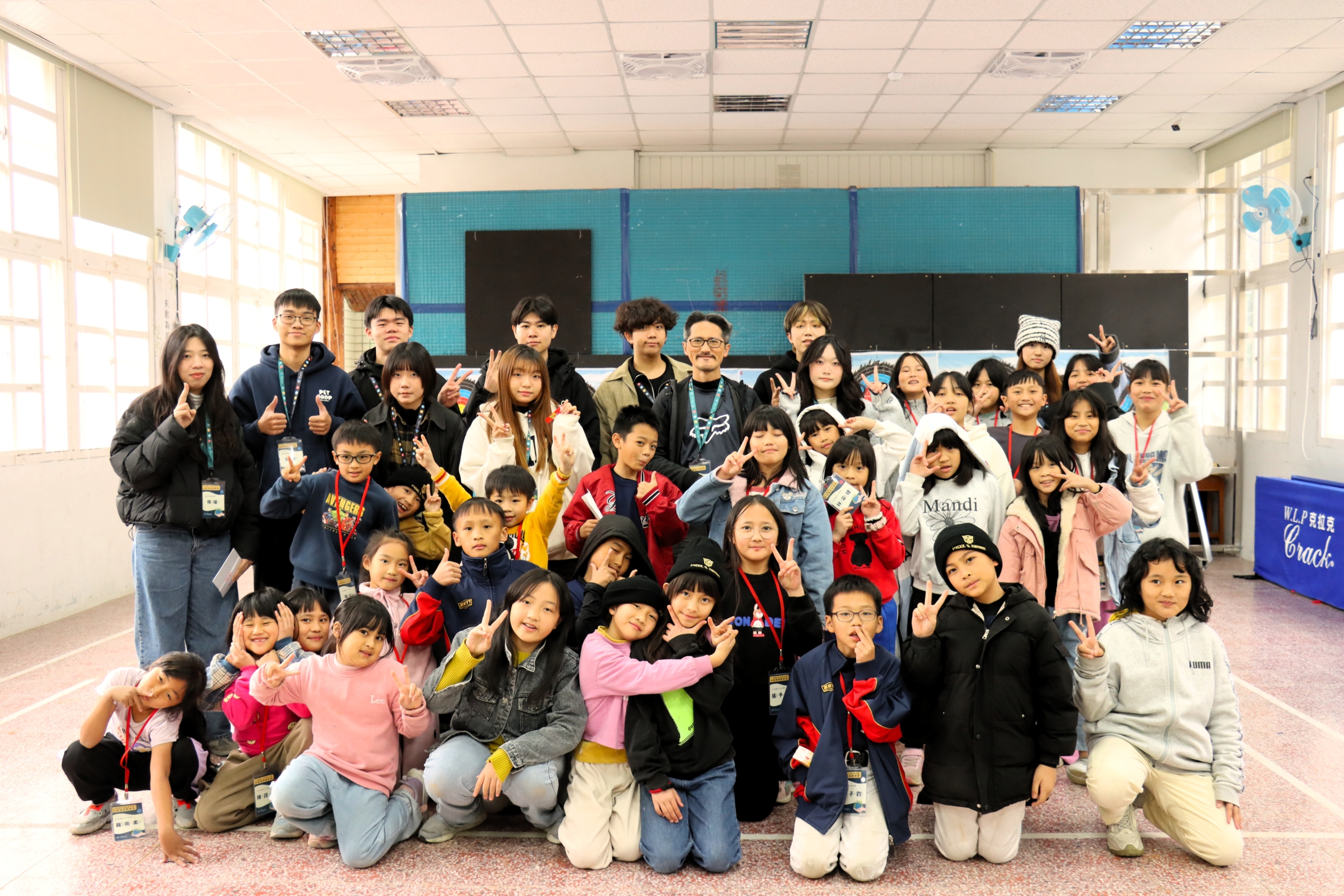
After class, the children almost always rushed straight to the playground, eagerly pulling me along to join them in games of tag. Laughter rang out as they ran and chased one another, creating a lively and cheerful atmosphere. Watching them play carefree, their faces lit with bright smiles, filled me with warmth. These simple yet sincere interactions not only brought me closer to the children but also allowed me to deeply feel their energy and innocence. I sincerely hope that as they grow, they will continue to carry this sense of joy and curiosity, courageously explore the world, and cherish and embrace their culture and land.
Written by Ding, Yu-Shan
Edited by Li, Ruo-Chia
Photos by Li, Ruo-Chia
Visiting Sangguang Elementary School in Fuxing District, Taoyuan, to lead the camp was a unique and unforgettable experience for me. Although I have participated in several elementary school camps in the past, this time I was working with children from an indigenous community, and from the moment I stepped onto the campus, I could sense an atmosphere completely different from what I had experienced before. The environment, the way the children interact with one another, and the overall pace of life all made me realize that this was more than just a camp—it was a journey that required careful attention, understanding, and heartful engagement.
Most of the children at Sangguang Elementary come from the Atayal tribe. They are lively and straightforward. While some were initially shy and hesitant to express themselves, they gradually opened up and shared their thoughts with remarkable sincerity. Being with them made me realize that I could not rely solely on my previous camp experience; instead, I needed to patiently observe each child’s state, adjust the rhythm of activities accordingly, and try to understand their upbringing and living environment. This approach made me rethink the meaning of “accompaniment”—it’s not just about completing a set program, but about slowing down and truly listening to the voices the children want to share.
During the camp, I also had the opportunity to engage with many aspects of Atayal culture, including lifestyle, cultural background, and values. Knowledge that had previously existed only in textbooks or abstract concepts became tangible and real through direct interaction. I gradually understood that culture is not something that needs to be intentionally introduced—it naturally exists in the children’s daily lives. This realization deepened my respect and admiration for the diversity and beauty reflected in different cultures.
The camp was by no means easy. There were moments of fatigue and situations that required quick problem-solving. Yet, seeing the children fully engaged in activities or catching glimpses of their pure smiles in unguarded moments made every challenge worthwhile. Especially at the end of the camp, when the children said goodbye on their own initiative, the wave of emotion I felt was something I will long remember.
Overall, I am deeply grateful for the opportunity to participate in this camp. It was not merely a service or learning experience—it was a chance to step outside my usual environment and see a different world. I believe that whenever I recall my days in Fuxing District, spending time with the children at Sangguang Elementary, the feelings and memories from this experience will remain in my heart for a long time.
Written by Xiao, Tong-En
Edited by Li, Ruo-Chia
Photos by Li, Ruo-Chia